






Heads Up
Treads Youth Advice & Information Centre
Helping Young People Stand On Their Own Two Feet
About Us
Treads, a charity in North Dorset with over 20 years of experience, operates as an inviting drop-in centre for young individuals aged 7 to 25, focusing on promoting healthy lifestyles and positive decision-making.
This well-established organisation plays a key role in supporting neurodiverse youth. It conducts anti-bullying workshops, female empowerment programmes, and provides guidance for significant life transitions, such as moving from primary to secondary school. Treads also holds mental wellbeing workshops aimed at helping young people overcome anxiety, contributing to their overall mental health.
The charity offers opportunities for volunteering that can lead to employment and provides a supportive environment for the young LGBT community. It additionally addresses relationship management and mental health issues.
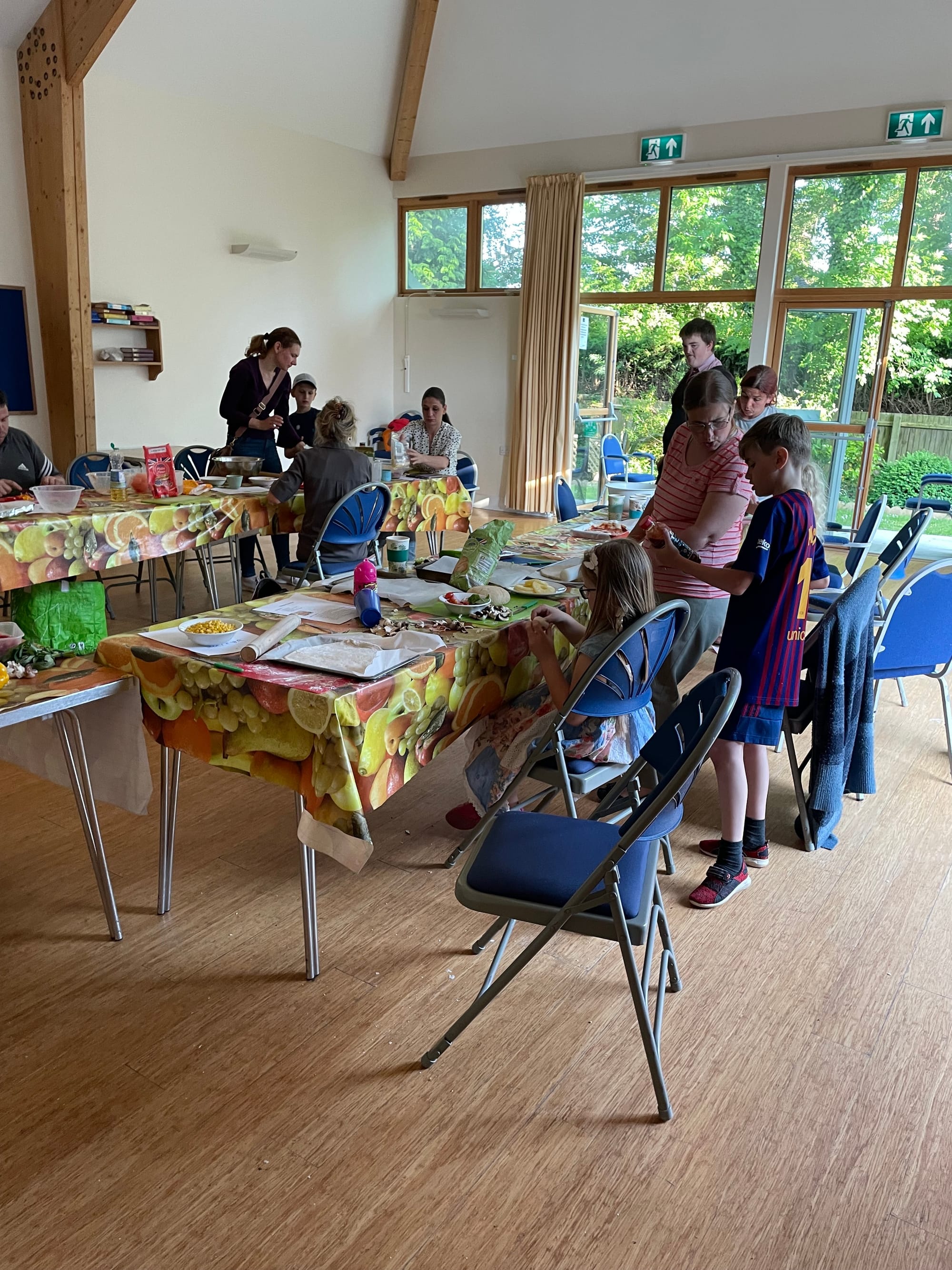
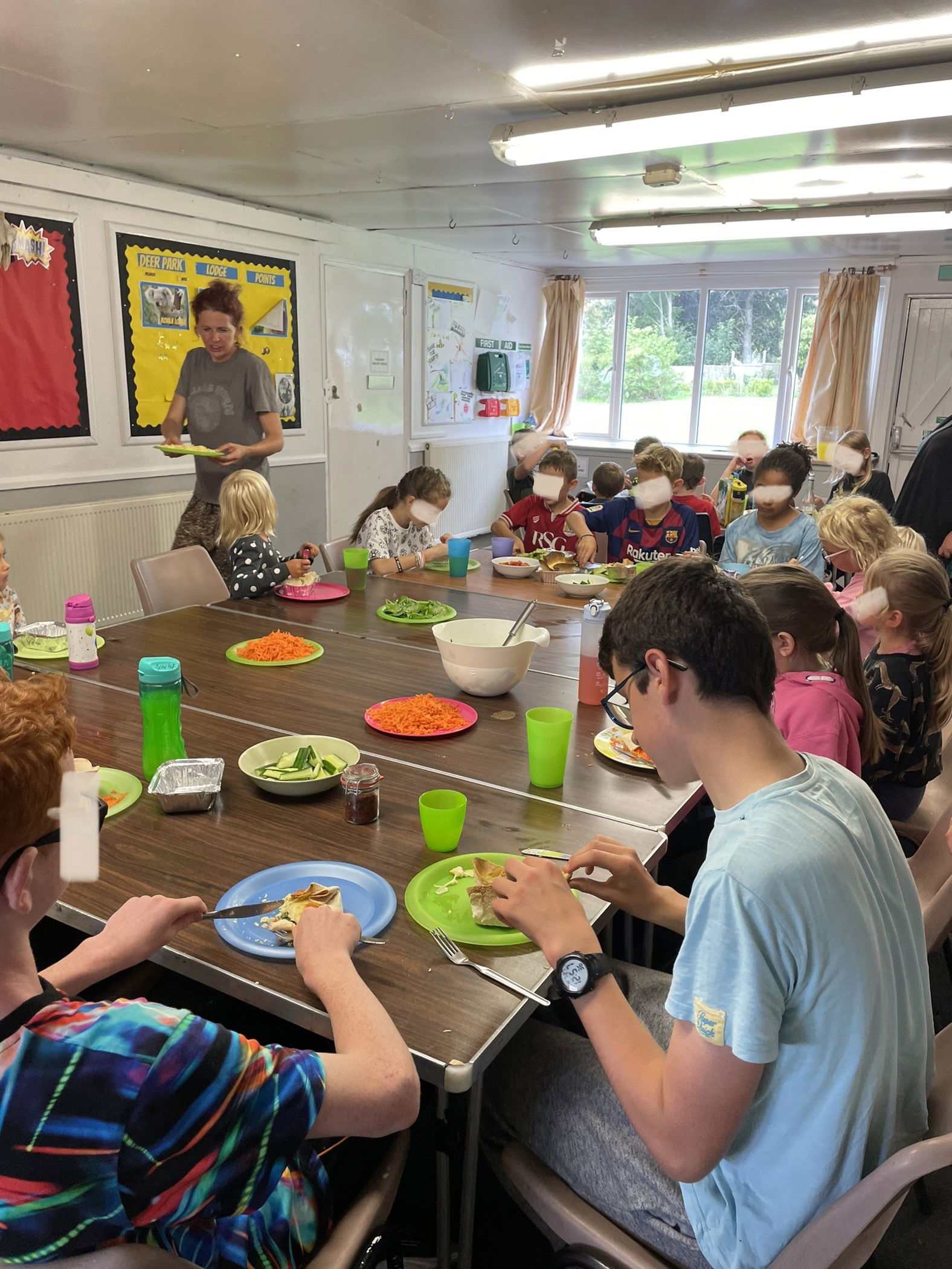
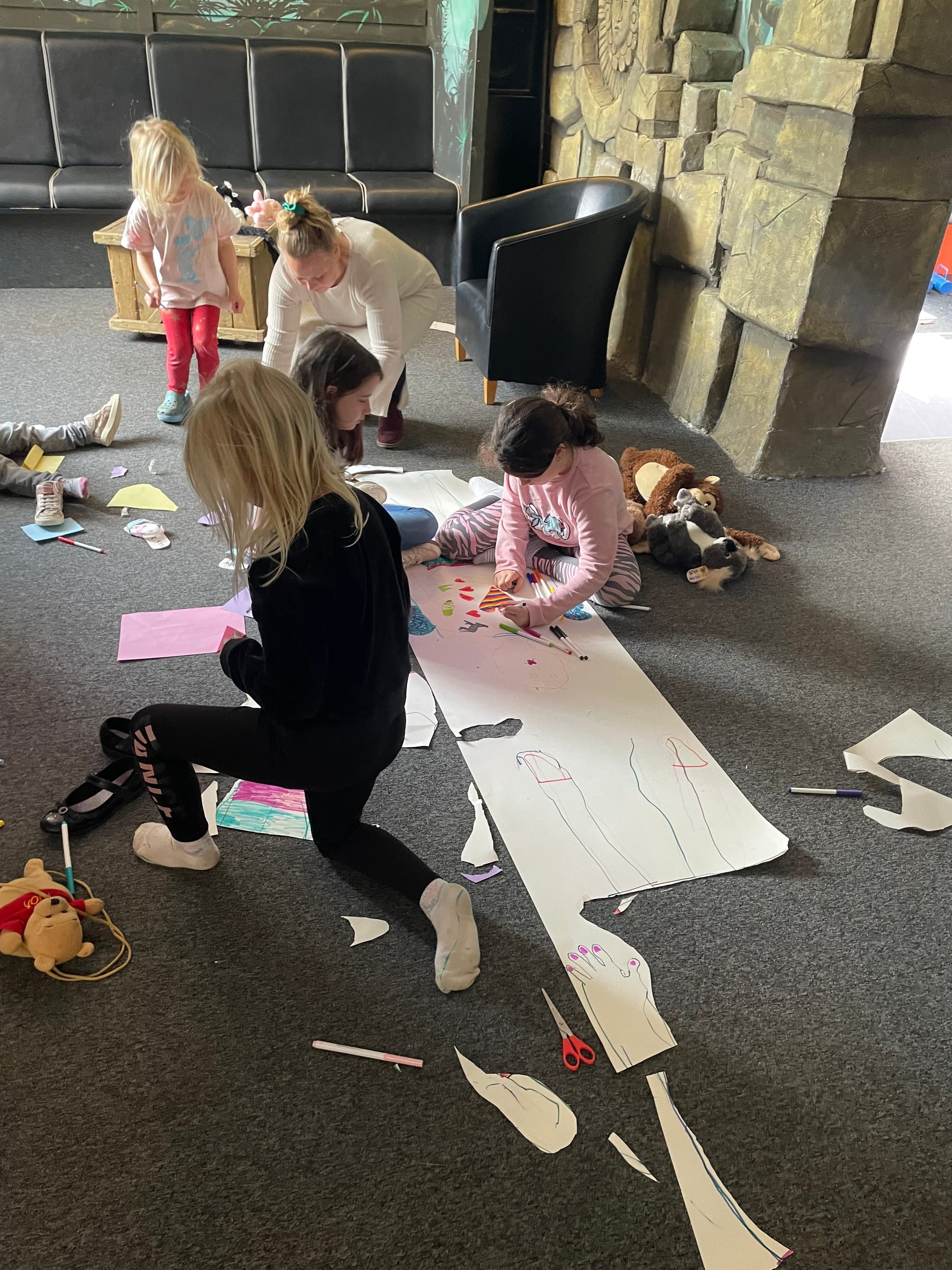
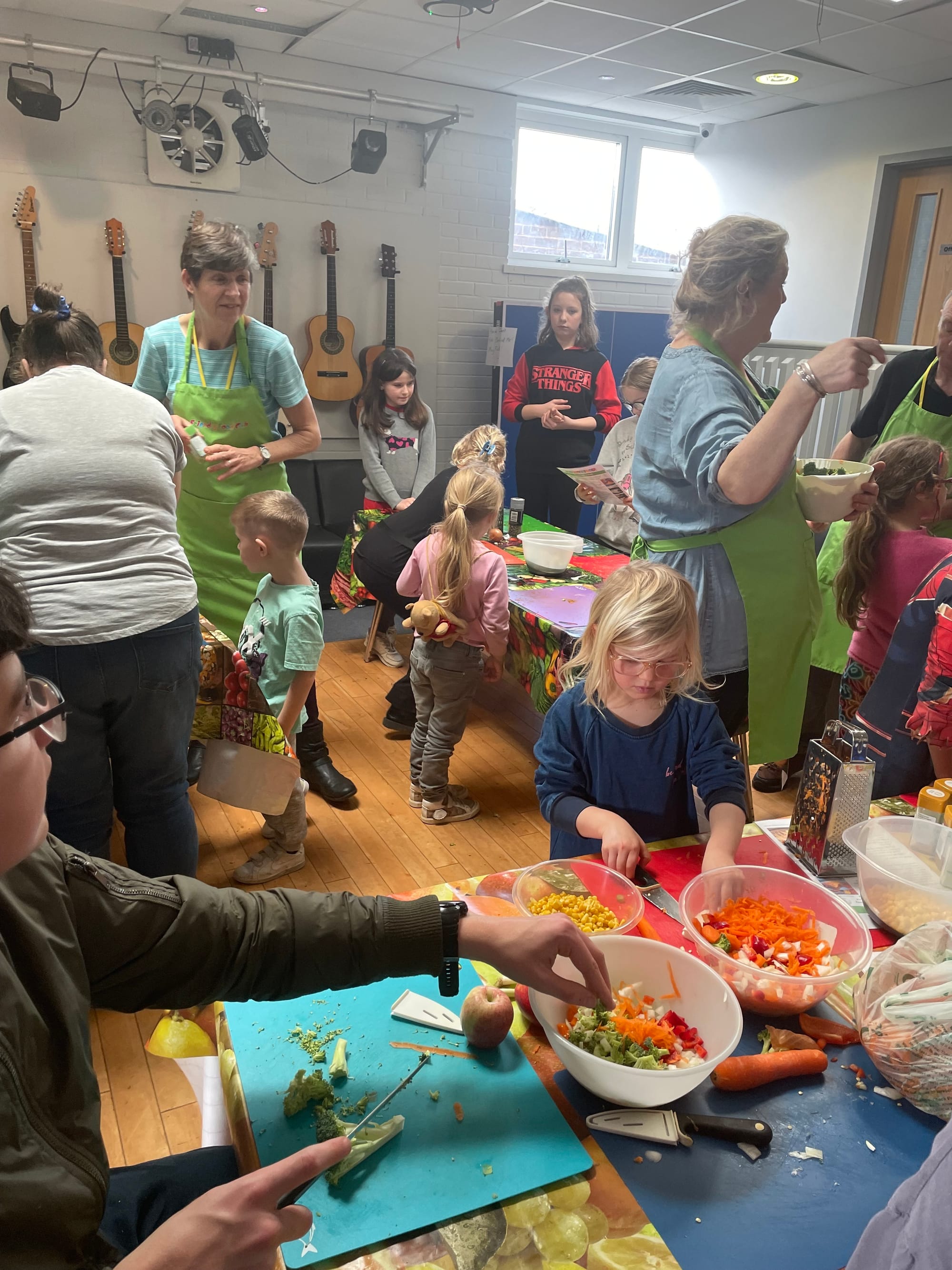
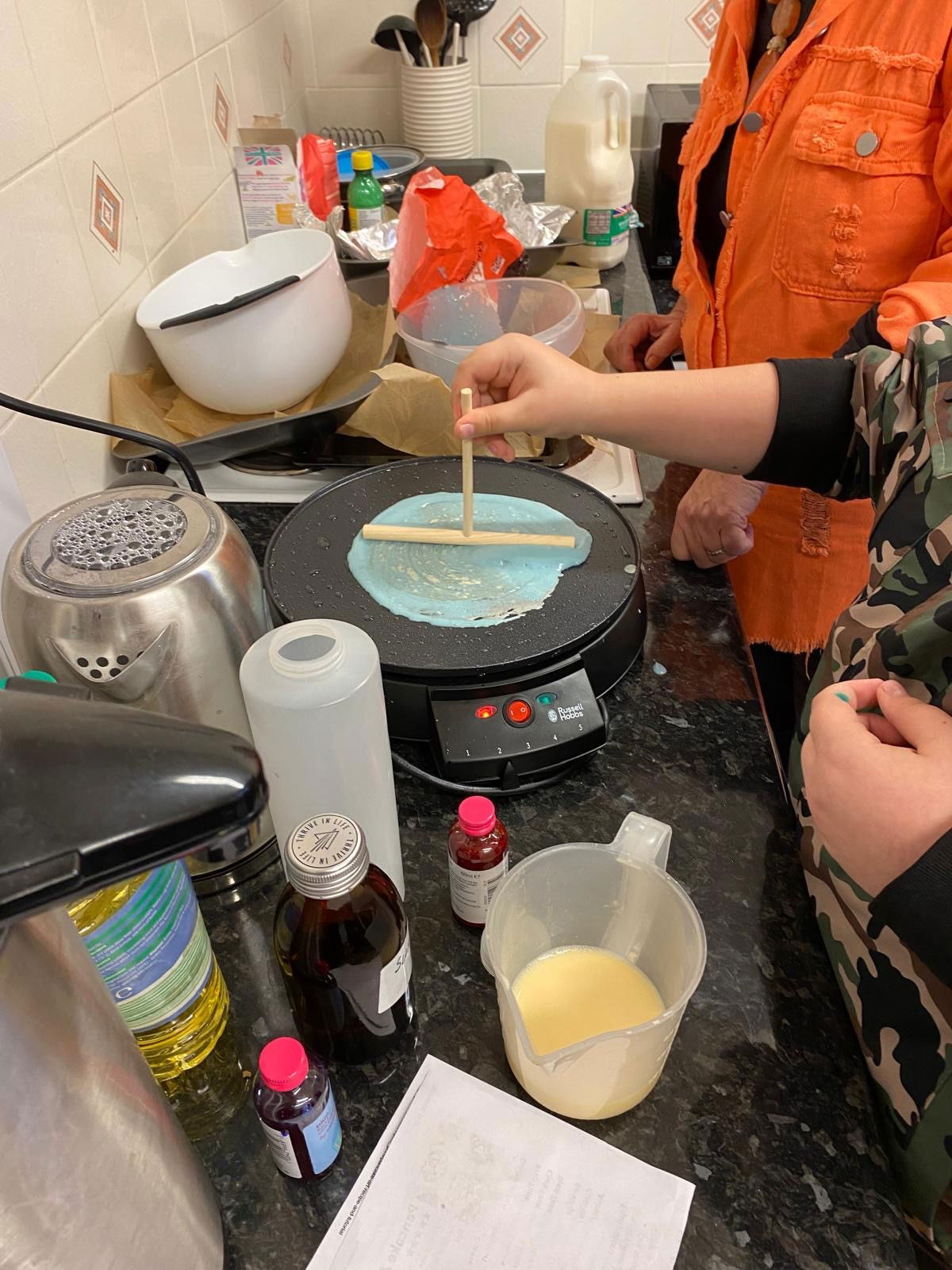
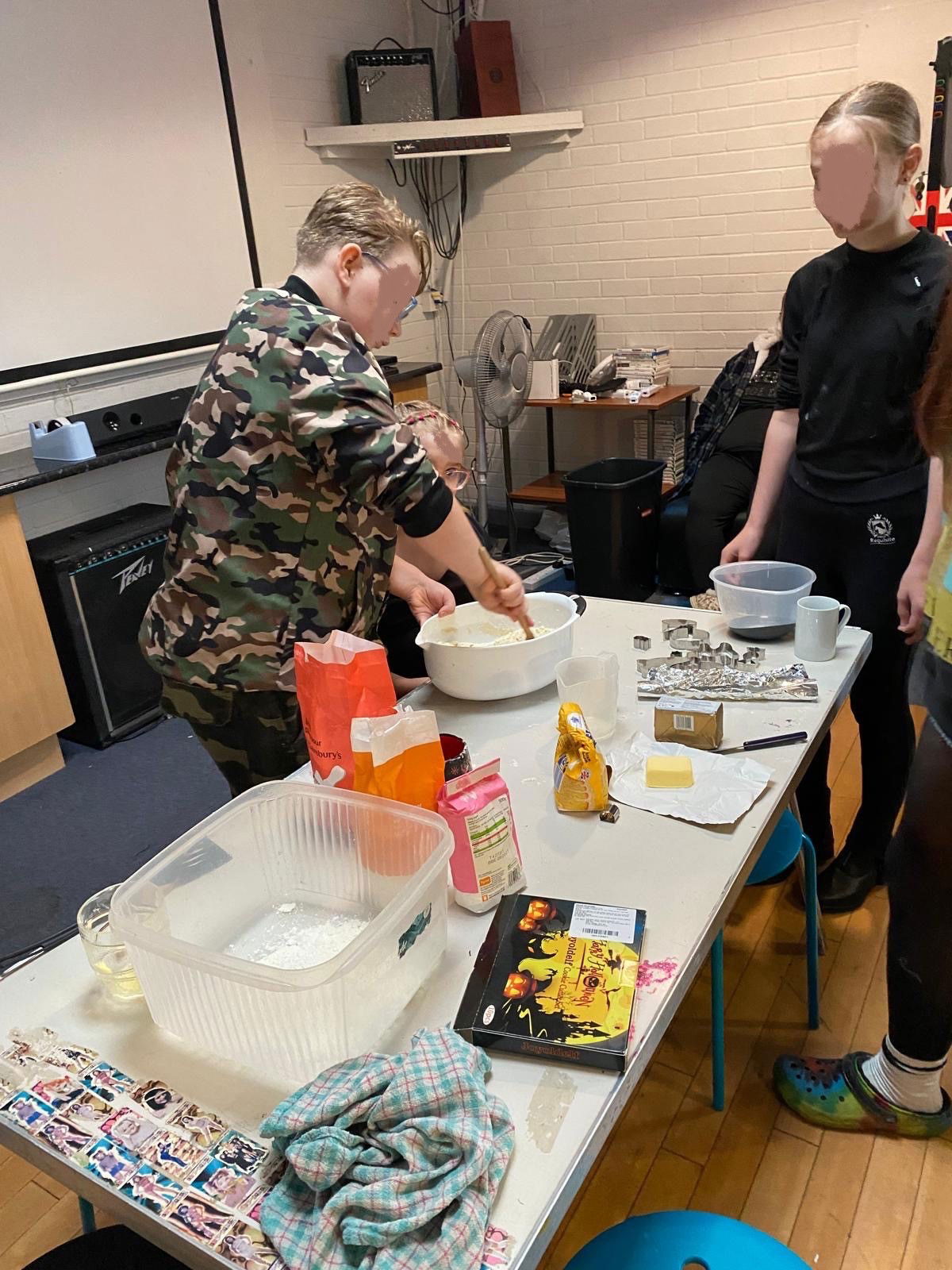
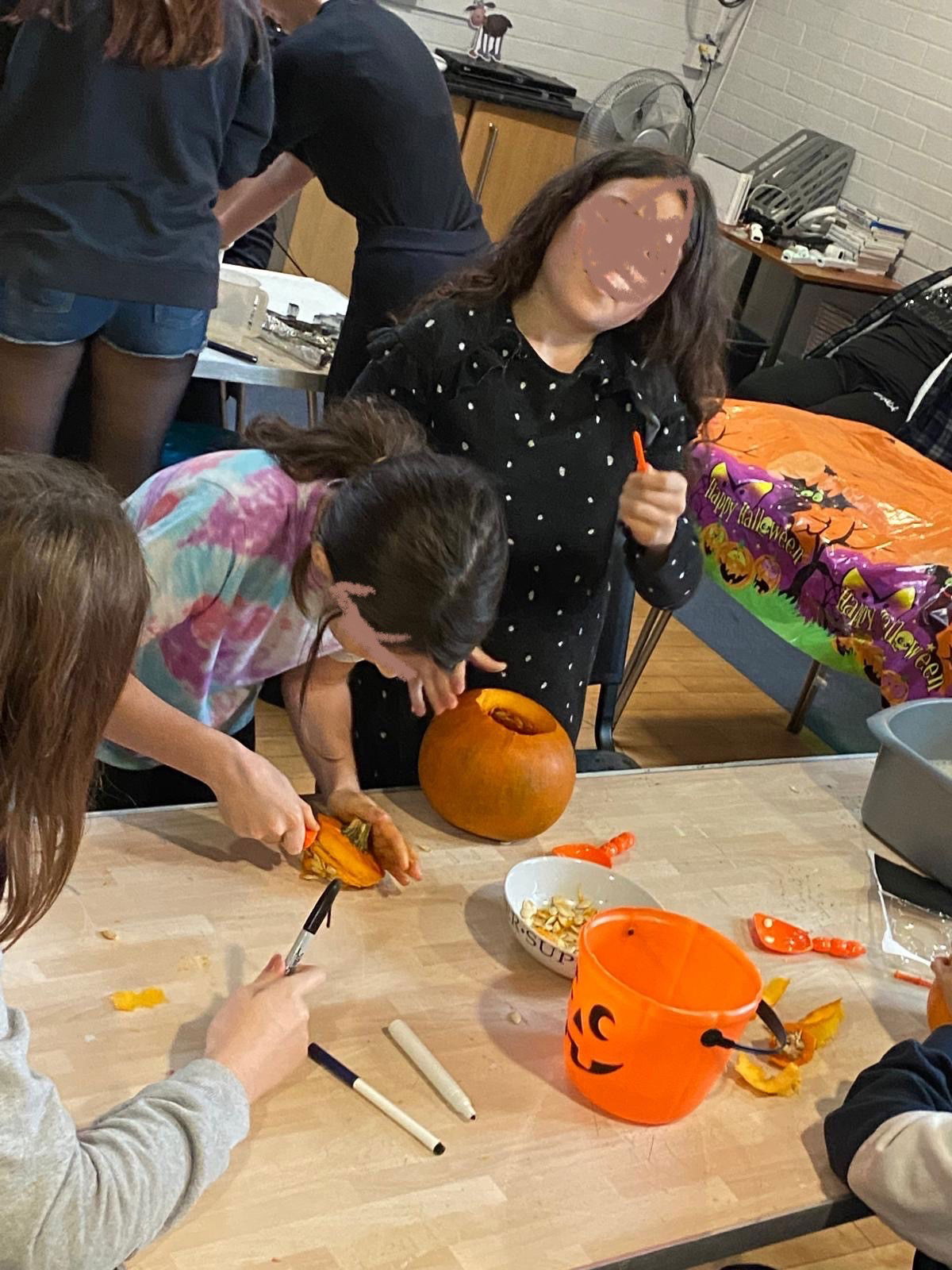
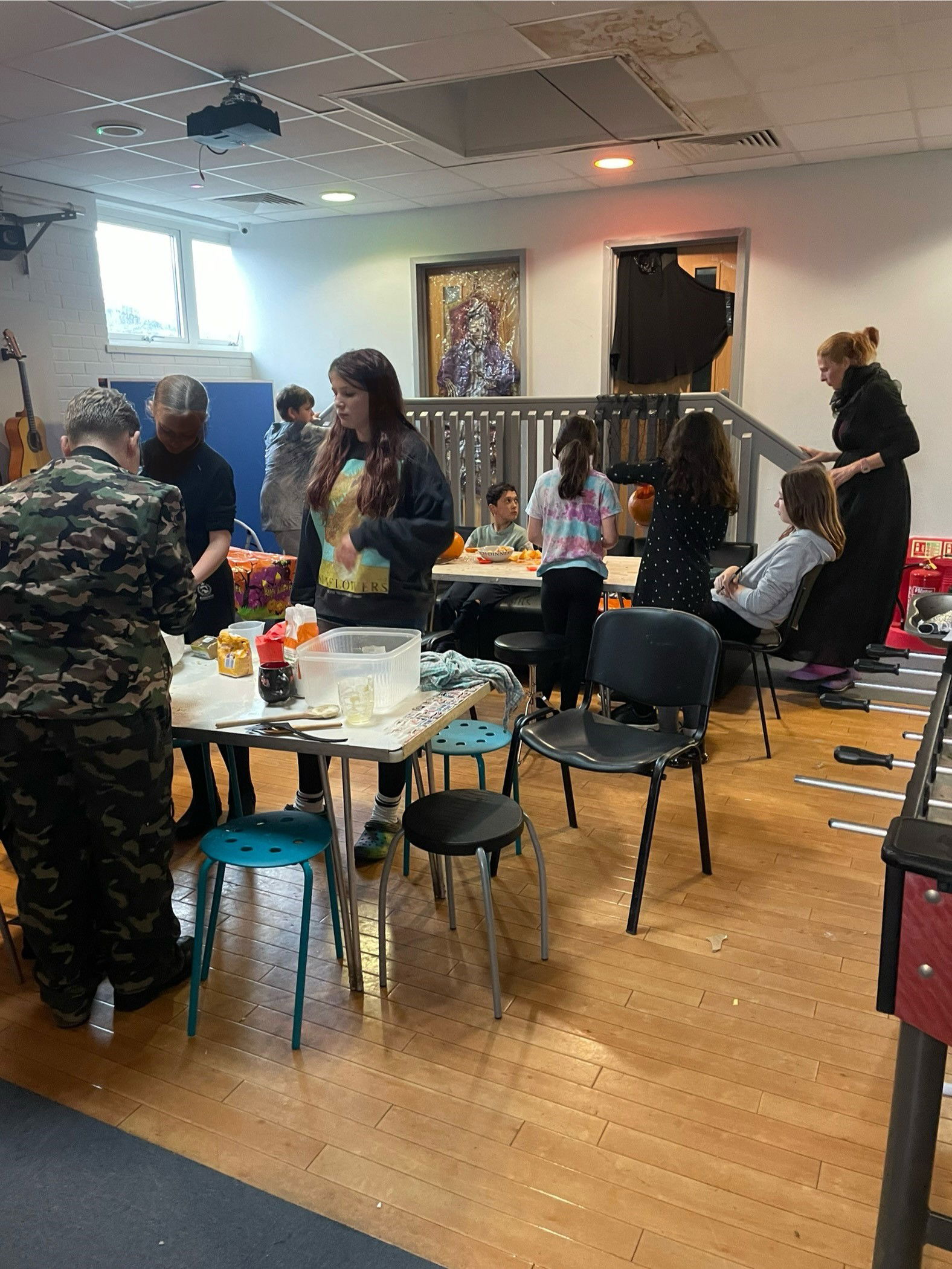
During school holidays, Treads organises complimentary Holiday, Activity, and Food (HAF) clubs, blending enjoyable activities with nutritious meals.
Furthermore, Treads conducts educational workshops in schools and engages in various activities to foster personal and social development.
With more than two decades of dedicated service, Treads is committed to creating a secure, supportive atmosphere that nurtures community, resilience, and empowerment among young people.
We are based at:
The Scouts Hut, Eagle House Gardens, Blandford Forum, DT11 7BS
Our aims and objectives are:
AIMS
This well-established organisation plays a key role in supporting neurodiverse youth. It conducts anti-bullying workshops, female empowerment programmes, and provides guidance for significant life transitions, such as moving from primary to secondary school. Treads also holds mental wellbeing workshops aimed at helping young people overcome anxiety, contributing to their overall mental health.
The charity offers opportunities for volunteering that can lead to employment and provides a supportive environment for the young LGBT community. It additionally addresses relationship management and mental health issues.
During school holidays, Treads organises complimentary Holiday, Activity, and Food (HAF) clubs, blending enjoyable activities with nutritious meals.
Furthermore, Treads conducts educational workshops in schools and engages in various activities to foster personal and social development.
With more than two decades of dedicated service, Treads is committed to creating a secure, supportive atmosphere that nurtures community, resilience, and empowerment among young people.
We are based at:
The Scouts Hut, Eagle House Gardens, Blandford Forum, DT11 7BS
Our aims and objectives are:
AIMS
- To support individual young people and enable them to make informed choices and decisions.
- To promote a positive image of young people.
- To promote a healthy lifestyle (physical, emotional, sexual).
- To reduce antisocial behaviour and encourage good citizenship.
- To raise awareness of issues concerning young people.
- To develop independent lifestyles.
- To offer young people opportunities to broaden their outlook and experiences.
- To ensure young people are aware of Treads and what facilities they can access here.
- To establish an engaging and inclusive environment for neurodiverse and SEN young people.
- To empower young people with the skills and confidence needed for a more Independent and fulfilling life.
- To facilitate the creation of long-lasting friendships, thereby reducing loneliness and enhancing mental health.
- Provide a safe and warm non-judgemental environment in which young people can meet.
- Involve young people on the Management Committee and include them in the decisions, which are made.
- Give young people opportunities that are fun, stimulating and challenging.
- Give young people the chance to be heard.
- Provide a range of information, both in leaflets and on a face to face basis around lifestyles.
- Challenge antisocial and offending behaviour.
- Provide information and give advice on a wide variety of issues relevant to young people.
- Give young people the opportunities to attend our Stand Up To Bullying, Anti Bullying and Empowering workshops
- Foster improved social skills and meaningful interactions among participants.
- Elevate self-confidence and overall mental wellbeing.
- Provide specialised one-to-one support in mental health, educational guidance, and healthy living.
- Educate on nutrition and physical health, incorporating healthy living practices.
- Offer essential life skills training for personal development and employability.
FOR YOUNG PEOPLE THAT REQUIRE EMERGENCY HELP PLEASE SEE OUR LIST OF EMERGENCY CONTACT NUMBERS UNDER THE HEADING 'EMERGENCY HELP' IN OUR 'SERVICES' SECTION OF THIS WEBSITE

Make A Donation
Treads are an independent charity who provide a valuable service to the local community of Blandford Forum and surrounding rural towns and villiages. We help, support and empower hundreds of young people each year through some of their toughest times. A time in their lives where they are very vulnerable to the dangers and stresses that life can throw at them. Our team of staff and volunteers work tirelessly to help enhance their confidence, self esteem and their abilities to form healthy relationships with others and to develop a greater consideration for others, their community and environment. We provide opportunities for young people to develop skills where by they can face some of life's challenges which we hope will then lead them to fulfilment and self confidence. We are therefore reliant on regular support from the community, local funders and grants from other trusts and foundations. Without this we could not provide the services which helps so many of our local young people.

£25
Join us
- The Scouts Hut, Eagle House Gardens, Blandford Forum, Dorset, DT11 7BS
- Treads Youth Advice & Information are situated at The Scouts Hut, Eagle House Gardens, DT11 7BS
- +undefined-07766224165
- youthsupport@treads.org.uk
- Thursdays 3.30-5.00 Appointments
Services

Advice & Information
We work closely and have knowledge of a large variety of different organisations including: Victim Support Citizen Advice Bureau Children's Services Children & Adolescent Mental Health Services (CAMHs) Youngminds Councils - Dorset County Council Dorset Family Matters Blandford Town Council Local Doctors Social Prescribers North Dorset Education establishments, schools and colleges Safeguarding Central Youthclub in Blandford Forum Foodbank

ASDAN awards
Sometimes young people find they cannot cope with school life and opt to be home schooled. Other young people find they have left school and cannot find a job or training and unsure what direction they want to go in. Treads can help you by offering short ASDAN certified courses of enrichment. These can be 10 hours to 60 hours long and include subjects like, volunteering, peer support, relationships, history, cooking the list goes on! You will be in control as to how you learn, when you learn and how many sessions you want to attend. To find out more please arrange an appointment.

Emergency Help
We have compiled a list of emergency telephone numbers so young people can seek help immediately. Emergency Services 999 you can also call 112 Childline 08001111 Smaritans 116123 Shout Text 85258 Beat (Eating Disorder) 0808 801 0711 For further helplines please call 07762185753 or email youthsupport@treads.org.uk and we will send you our Helpline contact package
Learn MoreTeam
Natalie Pithers
Trustee
Natalie has an expansive work background ranging from creating, delivering and co-coordinating projects to help young Mothers overcome their inability to read to project manageress in the corporate world. She is a Mother of three children and now runs her own Genealogy business
Libby Lloyd
Youthworker
Libby comes from an Education working background. She has spent over 20 years as an FE tutor for young offenders, those with learning disabilities and NEETs. She has a wealth of experience working as youth worker and team leader at various youth centres throughout Berkshire, Hampshire and Dorset. She understands the complexity of the needs of young people and how intervention can lead to positive outcomes
Helen Ryan
Trustee
Helen has worked as an academic lawyer and head of department in the higher education sector for nearly 25 years. She has worked with children and young people from all backgrounds and has supported and tutored individuals in prison and other secure environments. Prior to leaving her Welsh hometown in 2005 Helen worked for a children’s charity offering counselling and support to homeless young people and others in difficulty, which she found a hugely rewarding experience. She is also a trained mediator.
John Tanner
Trustee
John was born in Blandford Forum. From the age of 30 he has been in social work, a school governor on and off for the past 30 years, a Councillor of a principal council for 24 years, continues to be a parish Councillor, trustee of several local organisations. Whilst bringing up his own children whose Mother died when they were very young, now successful 40+ year old adults. Further, has over the past 20 years brought up a granddaughter whose biological Mother disowned her. She is currently in her third year of her University course. Finally, John was also able to run a successful bed & breakfast business for many years in the village of Pimperne.
Mel Turland
Trustee
Mel is one of our newest trustees, joining the team in June 2022 for her first trustee role! Graduating from the University of Winchester in 2011, she completed a degree with honours in Choreography and Dance, later going on to intern in San Francisco for a dance company working with disabled and non-disabled dancers. Mel completed her Care Certificate back in 2017 whilst working as a support worker for adults and children with a range of disabilities and complex needs, whilst being a dance teacher part time. She later went on to have a professional career in fundraising at Girlguiding UK, whilst also being a volunteer. She has since moved into Equity, Diversity and Inclusion (EDI) and is now EDI Manager for Volunteering and Branches at Samaritans. But will always have a passion for amplifying the voices of young people, and people from minority backgrounds.
Jenny Munday
Trustee
Mel, Natalie & Libby
Trustees & Youth Leader
Events
Happy Healthy Holiday Club, funded by Somerset Council. Lots of fun outdoor, indoor activities, arts, crafts and cooking, nutritious healthy lunch included. Free for those with a HAF code or £25 per child Tuesday 28 July, Wednesday 29 July Tuesday 4 August, Wednesday 5 August Tuesday 11 August, Wednesday 12 August For bookings visit www.sap.co.uk/happy-healthy-holiday
Summer Holiday HAF club for 5-10 yrs on Monday 27 July, Thursday 30 July, Friday 31 July, Monday 3 August, Tuesday 4 August, Friday 7th August, Monday 10 August & Tuesday 11 August 2026 10-00 till 14.00 Free for children with a HAF code sourced from Dorset Council. £20 for all others
Articles
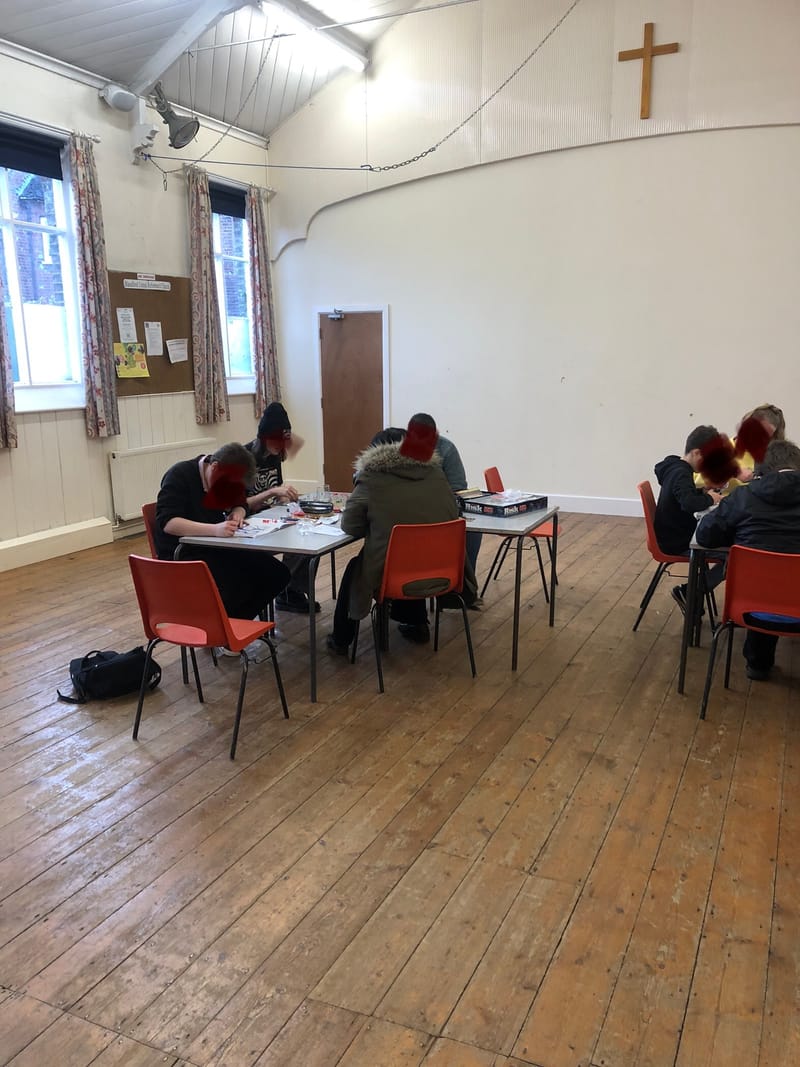
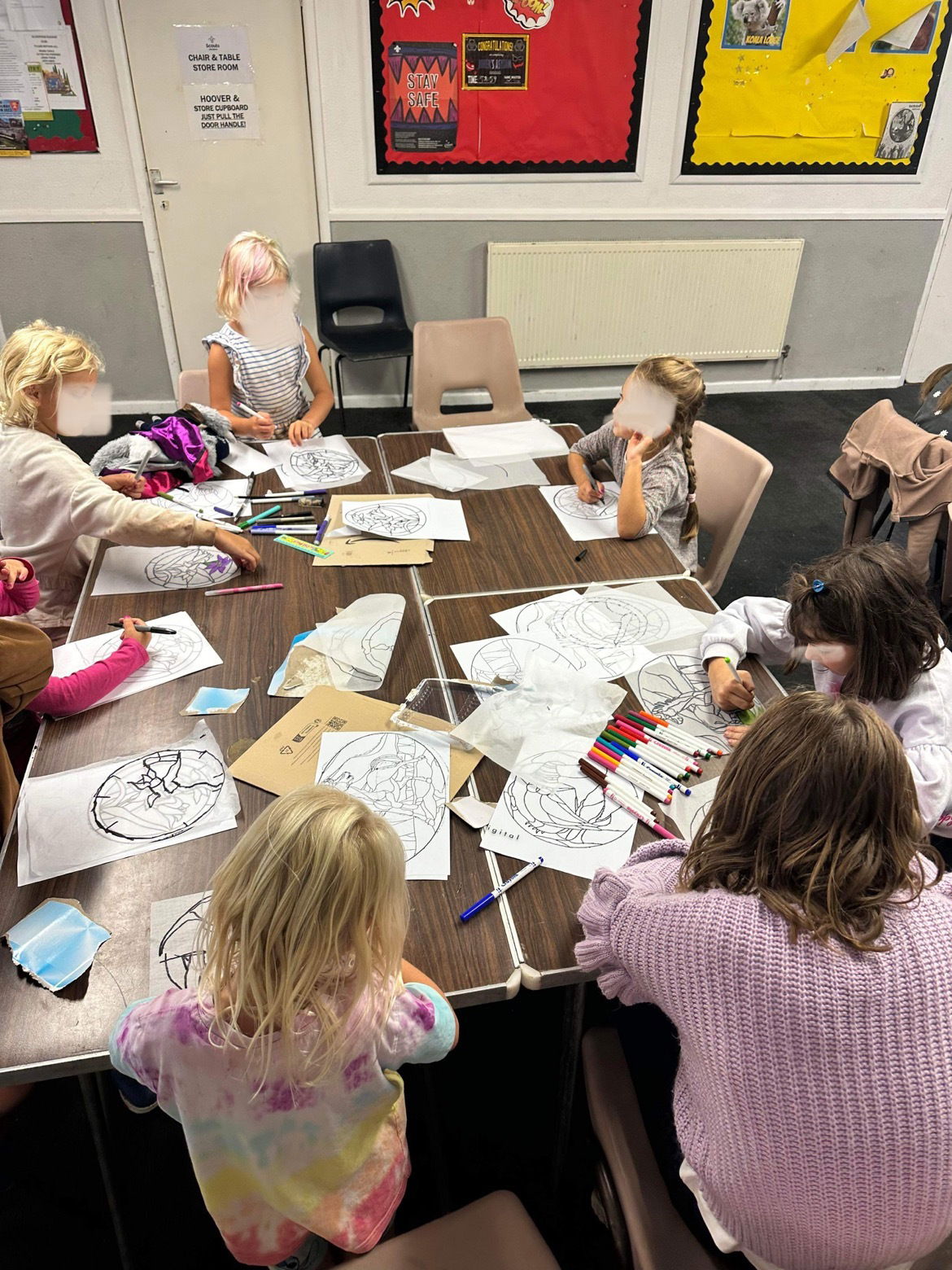
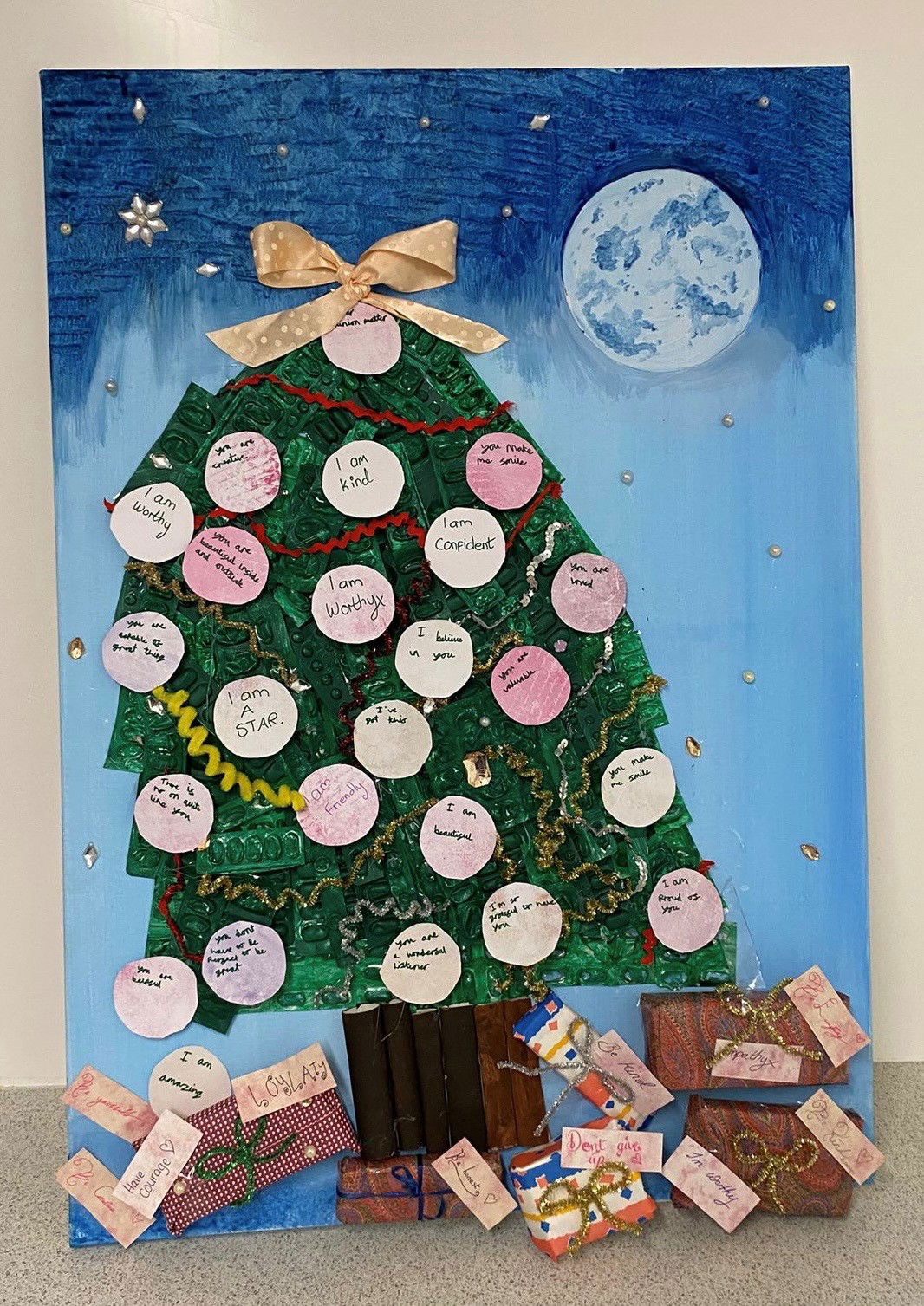
We are running a 8 week art project which helps young people to overcome anxiety, build confidence, manage their feelings so they become more emotionally resilient and enhance their self esteem. If you would like to find out more email youthsupport@treads.org.uk To help us deliver this project we would like to thank ASDA for their generous funding

We would like to say a very big thank you for the generosity from Allen Cooper & Dean Foundation who have provided us with funds to help deliver our valuable projects throughout North Dorset
Read More



Jobs
Trustee (member of the board of trustees BOT)
Remote - 060224
Our trustees are volunteers board members who set strategic direction, provide advice and ensure the charity's work continues to advance its objectives. Trustees will collaboratively be responsible for the general running of the charity, however we are looking to expand our current board to form subgroups to focus on:
Key responsibilities:
Key responsibilities will depend on the area of skills applicants bring, however we are open for discussion to allow as much opportunity for flexible volunteering and personal skills development.
- Financial management of the charity
- Income generation
- Governance and compliance
- Audit and risk
- Recruitment and onboarding (focussing on volunteers)
- General running of the charity
Key responsibilities:
Key responsibilities will depend on the area of skills applicants bring, however we are open for discussion to allow as much opportunity for flexible volunteering and personal skills development.
Requirements
- Ability to take the lead on individual projects with own subject matter expertise
- Reporting on progress of your specific area of responsibility
- Ability to communicate clearly and respectfully with a range of people
- Ability to work autonomously and as part of a remote team
- Good administration, organisation and task prioritisation skills
- Experience with Microsoft Office software (word, power point, excel etc)
We estimate the time commitment at around 4 hours a month, however this is not linear, and will depend on the role your in within the BOT. This is in addition to a quarterly finance meeting which will be 1.5 hours once a quarter.
Each board member will serve a minimum of two years in post, with the possibility of extending to five years.
Treads embraces diversity. Whilst we recognise that the demographics of the local area we serve in is predominantly white, middle classed and middle-aged we are committed to making change and this starts with out board of trustees. We're therefore encouraging applicants from all backgrounds to apply.
Given the nature of our work with young people and vulnerable people, we are keen to add more voices with lived experience to the Board too - helping us evolve our work with our beneficiaries in mind
For safeguarding an Enhance DBS clearance will be required (which Treads can provide) along with details for a character reference.
Benefits
An exciting opportunity to put your mark on a well-established charity that some fresh and innovative perspective.
Joining our fab team!
Personal wellbeing and inclusivity is the most important thing for our board members. It is important that we are able to bring out whole selves to the team, and that we respect and understand that everyone leads busy lives and has competing priorties
Joining our fab team!
Personal wellbeing and inclusivity is the most important thing for our board members. It is important that we are able to bring out whole selves to the team, and that we respect and understand that everyone leads busy lives and has competing priorties
Responsibilities
- Ability to take the lead on individual projects with own subject matter expertise
- Reporting on progress of your specific area of responsibility
- Ability to communicate clearly and respectfully with a range of people
- Ability to work autonomously and as part of a remote team
- Good administration, organisation and task prioritisation skills
- Experience with Microsoft Office software (word, power point, excel etc)
ABOUT
The About page is the core description of your website. Here is where you let clients know what your website is about. You can edit all of this text and replace it with what you want to write. For example you can let them know how long you have been in business, what makes your company special, what are its core values and more.
Edit your About page from the Pages tab by clicking the edit button.
Edit your About page from the Pages tab by clicking the edit button.
Testimonials
Policies
Safeguarding and Childprotection Policy March 2026
Contents
1. Safeguarding Policy
Treads is committed to safeguarding and promoting the welfare of all children and young people who engage with our services. This includes providing a safe environment, preventing harm, recognising concerns early and responding appropriately when concerns arise. Our approach reflects our duties under relevant child safeguarding law and guidance and aligns with local multi‑agency safeguarding procedures for Dorset and Bournemouth, Christchurch & Poole (BCP). (https:// Pandorset.trixonline.co.uk/ )
This policy applies to all Treads activities and settings, including:
2. Safeguarding Statement
Safeguarding is everybody’s responsibility. Treads believes that:
3. Key Personnel
3.1 Designated Safeguarding Roles (internal reporting)
Designated Safeguarding Lead (DSL): Libby Lloyd
Tel: 07766224165
Email: youthsupport@treads.org.uk
Deputy / Alternate Safeguarding Lead: Matthew Aplin
Tel: 07762185753
Email: admin@treads.org.uk
If the concern involves the DSL: report to the Deputy/Alternate immediately and follow the “Allegations against staff” and “Whistleblowing” processes.
3.2 Trustees / Board safeguarding oversight
The Trustees hold ultimate responsibility for safeguarding arrangements, including ensuring that this policy is implemented, reviewed and resourced, and that a trustee lead for safeguarding is in place (role name Melaine Turland recorded in Trustee minutes).
4. Terminology
5. Introduction
5.1 Local safeguarding arrangements (Pan‑Dorset context)
In July 2024 the Pan‑Dorset Safeguarding Children Partnership separated into two partnerships:
5.2 Purpose of this policy
This policy:
6. Policy Principles
Treads’ safeguarding practice is built on the following principles:
7. Policy Aims
Treads aims to:
8. Values
Treads recognises that children who experience harm, neglect, abuse or exploitation may feel helpless, ashamed, fearful, or blame themselves. We will:
9. Safe Treads, Safe Staff
Treads maintains a safe culture through:
10. Roles & Responsibilities
10.1 All staff and volunteers
All staff and volunteers must:
The DSL:
10.3 Trustees
Trustees must ensure:
11. Confidentiality
12. Child Protection Procedures
12.1 Recognise → Respond → Record → Refer (the 4Rs)
Recognise: Notice indicators, changes, disclosures, third‑party information.
Respond: Listen calmly; reassure; avoid leading questions; explain next steps.
Record: Write factual notes ASAP using child’s words where possible; sign/date.
Refer: DSL/Deputy contacts Children’s Social Care/Police as needed.
12.2 If a child is in immediate danger
Call 999. Then inform the DSL as soon as it is safe to do so.
12.3 Internal reporting (Treads)
All concerns must be reported to:
Dorset Council area (Family Support and Advice Line): 01305 228558
Out of hours emergencies: 01305 221000 [dorsetcouncil.gov.uk], [pdscp.co.uk]
BCP Council area (Children’s First Response Hub): 01202 123334
Email: childrensfirstresponse@bcpcouncil.gov.uk
Out of hours: 01202 738256
Email (OOH): childrensOOHS@bcpcouncil.gov.uk
Police: Emergency 999 / Non‑emergency 101.
Staff should follow the local tri.x procedures for referrals and thresholds. Pandorsetswcp.trixonline.co.uk
12.5 Notifying parents/carers
Treads will usually involve parents/carers unless doing so would:
If a referral has been made and the child’s situation does not improve, the DSL will escalate in line with local procedures. [pdscp.co.uk].
13. Children who are particularly vulnerable
Treads recognises some children may face increased risk or additional barriers to disclosure, including children who are disabled, have SEND, are young carers, experience domestic abuse, are missing, at risk of exploitation, or face mental health difficulties. We will take additional care to:
14. Anti‑Bullying/Cyberbullying
Treads does not tolerate bullying in any form. Any bullying that raises safeguarding concerns (e.g., threats, coercion, sexual harassment, hate incidents, exploitation) is treated as a safeguarding concern and follows the reporting procedures in Section 12.
15. Racist Incidents
Racist incidents are recorded and responded to promptly. Where an incident indicates risk of significant harm, harassment, coercion or exploitation, the DSL will follow safeguarding procedures and liaise with partner agencies as necessary.
16. Radicalisation & Extremism
Treads recognises radicalisation as a safeguarding issue. If staff suspect a child may be vulnerable to radicalisation:
17. Domestic Abuse
Domestic abuse can cause significant harm to children who witness or experience it. Concerns are recorded and reported to the DSL. The DSL considers referral to Children’s Social Care where risk thresholds are met and supports signposting to specialist services.
18. Child Sexual Exploitation (CSE) and Child Criminal Exploitation (CCE)
CSE and CCE are forms of abuse involving coercion/manipulation and imbalance of power. Staff must record indicators and report promptly to the DSL. The DSL will follow local exploitation procedures and make referrals where appropriate.
(Indicators are included in Appendix 3.)
19. Female Genital Mutilation (FGM)
FGM is illegal and is child abuse. Concerns must be reported to the DSL immediately. Where mandatory reporting applies, staff must follow legal reporting duties and ensure the DSL is informed.
(Information and signs are included in Appendix 4.)
Forced marriage is abuse and a safeguarding concern. Staff must report to the DSL. Parents/carers should not be informed if this could increase risk. The DSL will seek guidance from Children’s Social Care and/or Police.
21. Honour based Abuse
Honour‑based abuse is a human rights abuse and safeguarding concern. Staff must report to the DSL immediately and must not attempt mediation. Parental notification must be risk‑assessed and may be unsafe.
22. One Chance Rule
Staff understand that in cases like forced marriage, honour‑based abuse and FGM, there may be only one opportunity to act. Concerns must be reported without delay to protect life and prevent serious harm.
23. Mental Health
Mental health difficulties can be safeguarding indicators and/or consequences of harm. Staff should:
24. Child on child sexual violence and sexual harassment
Treads recognises that children may harm other children. Concerns will never be minimised as “banter”. Reports are treated seriously and followed through under Section 12 procedures. The DSL will seek appropriate multi‑agency advice and referral where indicated.
25. Youth produced sexual imagery (Sexting)
Any incident involving sexual imagery of under‑18s is treated as a safeguarding concern. Staff must:
Any allegation/concern that an adult in a position of trust has harmed or may harm a child must be reported immediately to the DSL (or Deputy if the allegation concerns the DSL). The DSL/Deputy will:
26.1 Dorset LADO (Dorset Council area)
Tel: 01305 221122
Email: LADO@dorsetcouncil.gov.uk
26.2 BCP LADO / Designated Officer (BCP area)
Tel: 01202 817600
Email: LADO@bcpcouncil.gov.uk
27. Whistle blowing
Treads expects staff/volunteers to raise concerns about unsafe practice, poor safeguarding culture, or failures to act. Concerns can be raised:
28. Physical intervention
Physical intervention is a last resort to prevent injury or serious harm. Any incident must be:
29. Confidentiality, sharing information and GDPR
Treads shares information to safeguard children in line with:
Appendices
Appendix 1 – Recognising signs of child abuse
Include categories: Physical, Emotional, Sexual, Neglect and key indicators, including behavioural changes and physical signs. (Use your existing indicator lists; ensure staff understand indicators are not proof but require action/recording.)
Appendix 2 – Sexual Abuse & Sexual Harassment
Clarifies developmental vs harmful/abusive behaviours; consent, power imbalance and coercion factors; and that disclosures are handled under Section 12.
Appendix 3 – Exploitation (CSE/CCE/County Lines)
Maintain your existing indicator list and ensure it links back to Section 18 and referral routes.
Appendix 4 – Female Genital Mutilation (FGM)
Maintain your FGM information, signs and one‑chance rule messaging; ensure reporting steps link to Section 12.
Appendix 5 – Domestic Abuse
Retain the explanation of impact on children and what to do; ensure safeguarding escalation routes match Section 12.
Appendix 6 – Indicators of vulnerability to radicalisation
Retain indicators and emphasise that concerns go to DSL and follow local procedures.
Appendix 7 – Record Keeping: Best practice for DSL
Keep your strong record‑keeping standards, including:
Appendix 8 – Level of training
Retain your Level 1/2/3 approach and ensure it is implemented via induction + refreshers.
Appendix 9 – Forms/Templates
Retain and standardise your templates:
Dorset (Family Support & Advice Line): 01305 228558
Dorset out of hours emergencies: 01305 221000
BCP First Response Hub: 01202 123334
BCP Out of Hours: 01202 738256
Police: 999 / 101
Dorset LADO: 01305 221122 / LADO@dorsetcouncil.gov.uk
BCP LADO: 01202 817600 / LADO@bcpcouncil.gov.uk
Date to be reviewed 9 March 2027
MY Concern Records.
For all Trustees/staff/volunteers and visitors logging a concern/disclosure about a child’s welfare.
This form will be uploaded to My Concern Records
- Safeguarding Policy
- Safeguarding Statement
- Key Personnel
- Terminology
- Introduction
- Policy Principles
- Policy Aims
- Values
- Safe Treads, Safe Staff
- Roles & Responsibilities
- Confidentiality
- Child Protection Procedures
- Children who are particularly vulnerable
- Anti‑Bullying/Cyberbullying
- Racist Incidents
- Radicalisation & Extremism
- Domestic Abuse
- Child Sexual Exploitation (CSE) and Child Criminal Exploitation (CCE)
- Female Genital Mutilation (FGM)
- Forced Marriages
- Honour based Abuse
- One Chance Rule
- Mental Health
- Child on child sexual violence and sexual harassment
- Youth produced sexual imagery (Sexting)
- Allegations against staff
- Whistle blowing
- Physical intervention
- Confidentiality, sharing information and GDPR
Appendix 1 Recognising signs of child abuse
Appendix 2 Sexual Abuse & Sexual Harassment
Appendix 3 Exploitation (including CSE/CCE and county lines)
Appendix 4 Female Genital Mutilation (FGM)
Appendix 5 Domestic Abuse
Appendix 6 Indicators of vulnerability to radicalisation
Appendix 7 Record Keeping: Best practice for DSL
Appendix 8 Level of training
Appendix 9 Concern Form, Contact Monitoring Form, Safeguarding Overview
1. Safeguarding Policy
Treads is committed to safeguarding and promoting the welfare of all children and young people who engage with our services. This includes providing a safe environment, preventing harm, recognising concerns early and responding appropriately when concerns arise. Our approach reflects our duties under relevant child safeguarding law and guidance and aligns with local multi‑agency safeguarding procedures for Dorset and Bournemouth, Christchurch & Poole (BCP). (https:// Pandorset.trixonline.co.uk/ )
This policy applies to all Treads activities and settings, including:
- drop‑in support and 1:1 work
- group sessions and workshops
- outreach and off‑site activities
- phone/online contact and social media interactions (see also our E‑Safety arrangements where applicable)
- Staff Code of Conduct / Behaviour guidance
- Safer recruitment and DBS processes
- E‑Safety Policy (where used)
- Whistleblowing Policy
- Risk assessments for activities/venues
2. Safeguarding Statement
Safeguarding is everybody’s responsibility. Treads believes that:
- Children and young people should never experience abuse of any kind.
- The welfare of the child is paramount in all the work we do.
- All children and young people—regardless of age, disability, gender identity, race, religion or belief, sexual orientation, background or life circumstances—have an equal right to protection from harm.
3. Key Personnel
3.1 Designated Safeguarding Roles (internal reporting)
Designated Safeguarding Lead (DSL): Libby Lloyd
Tel: 07766224165
Email: youthsupport@treads.org.uk
Deputy / Alternate Safeguarding Lead: Matthew Aplin
Tel: 07762185753
Email: admin@treads.org.uk
If the concern involves the DSL: report to the Deputy/Alternate immediately and follow the “Allegations against staff” and “Whistleblowing” processes.
3.2 Trustees / Board safeguarding oversight
The Trustees hold ultimate responsibility for safeguarding arrangements, including ensuring that this policy is implemented, reviewed and resourced, and that a trustee lead for safeguarding is in place (role name Melaine Turland recorded in Trustee minutes).
4. Terminology
- Child / young person: Anyone under the age of 18.
- Safeguarding: Protecting children from maltreatment; preventing impairment of health or development; ensuring safe and effective care; and taking action to enable best outcomes.
- Child protection: Part of safeguarding, focused on children who are suffering or likely to suffer significant harm.
- Position of trust: Any adult working/volunteering with children where concerns about their behaviour may indicate risk (includes paid/unpaid/agency/self‑employed).
- DSL: The named person responsible for safeguarding leadership within Treads.
5. Introduction
5.1 Local safeguarding arrangements (Pan‑Dorset context)
In July 2024 the Pan‑Dorset Safeguarding Children Partnership separated into two partnerships:
- Dorset Safeguarding Children Partnership (Dorset SCP) and
- BCP Safeguarding Children Partnership (BCP SCP),
with some shared “Pan‑Dorset” activity (e.g., training and core procedures).
5.2 Purpose of this policy
This policy:
- sets out how Treads prevents harm
- explains how to recognise and respond to concerns
- defines roles, responsibilities and reporting routes
- sets expectations for safe practice and record keeping
6. Policy Principles
Treads’ safeguarding practice is built on the following principles:
- Welfare is paramount: the child’s safety comes first.
- Listening culture: children and young people are listened to and taken seriously.
- Early action: concerns are acted on promptly; small concerns are recorded because patterns matter.
- Partnership: safeguarding is best delivered through multi‑agency working in line with local procedures.
- Respect & inclusion: we safeguard all children and young people equally, considering individual needs, identity and circumstances.
- Safer workforce: robust recruitment, induction, supervision and training reduce risk.
- Confidentiality with safeguards: information is shared when needed to protect a child.
7. Policy Aims
Treads aims to:
- Provide a safe and welcoming environment where young people feel able to talk and seek help.
- Ensure staff/volunteers understand safeguarding responsibilities and know how to report concerns.
- Ensure concerns are recorded, monitored and escalated appropriately in line with local procedures.
- Promote safe practice, professional boundaries and a culture of challenge and accountability.
- Work with families and partner agencies to promote welfare and reduce risk.
8. Values
Treads recognises that children who experience harm, neglect, abuse or exploitation may feel helpless, ashamed, fearful, or blame themselves. We will:
- promote self‑esteem and resilience without excusing harmful behaviour
- support children to access appropriate help
- seek to make adjustments for communication needs, disability, language, culture and faith considerations
- ensure our practice is trauma‑informed, respectful and consistent
9. Safe Treads, Safe Staff
Treads maintains a safe culture through:
- annual read‑and‑sign of this policy and staff Code of Conduct
- induction including safeguarding and reporting routes
- supervision/support and refresher learning
- safe use of technology/online contact boundaries
- risk assessments for activities and venues
- visible signposting (internal) showing who the DSL is and how to report concerns
10. Roles & Responsibilities
10.1 All staff and volunteers
All staff and volunteers must:
- take action if they have a concern—never assume someone else will
- report concerns to the DSL (or Deputy if DSL unavailable)
- record concerns promptly, factually and securely (Appendix 9 templates)
- maintain professional boundaries and follow safe practice guidance
- participate in required safeguarding learning
The DSL:
- provides advice and support to staff/volunteers
- decides on actions and referrals to Children’s Social Care and/or Police
- ensures records are complete, stored securely and reviewed
- liaises with safeguarding partners and supports multi‑agency working
- ensures staff receive safeguarding updates and training appropriate to role
- ensures allegations against adults in a position of trust are referred appropriately (LADO)
10.3 Trustees
Trustees must ensure:
- safeguarding arrangements are effective and resourced
- policies are reviewed and updated
- a culture exists where concerns can be raised and acted upon
- safer recruitment and DBS processes are in place
- serious incidents and safeguarding learning are reviewed and improvements made
11. Confidentiality
- Staff must never promise to keep secrets if information suggests a child is at risk.
- Information is shared on a need‑to‑know basis, proportionately, to protect children.
- Where appropriate and safe, the DSL will explain to the child/parent what information will be shared and why.
12. Child Protection Procedures
12.1 Recognise → Respond → Record → Refer (the 4Rs)
Recognise: Notice indicators, changes, disclosures, third‑party information.
Respond: Listen calmly; reassure; avoid leading questions; explain next steps.
Record: Write factual notes ASAP using child’s words where possible; sign/date.
Refer: DSL/Deputy contacts Children’s Social Care/Police as needed.
12.2 If a child is in immediate danger
Call 999. Then inform the DSL as soon as it is safe to do so.
12.3 Internal reporting (Treads)
All concerns must be reported to:
- DSL (Libby Lloyd) or
- Deputy/Alternate (Matthew Aplin) if DSL unavailable.
Dorset Council area (Family Support and Advice Line): 01305 228558
Out of hours emergencies: 01305 221000 [dorsetcouncil.gov.uk], [pdscp.co.uk]
BCP Council area (Children’s First Response Hub): 01202 123334
Email: childrensfirstresponse@bcpcouncil.gov.uk
Out of hours: 01202 738256
Email (OOH): childrensOOHS@bcpcouncil.gov.uk
Police: Emergency 999 / Non‑emergency 101.
Staff should follow the local tri.x procedures for referrals and thresholds. Pandorsetswcp.trixonline.co.uk
12.5 Notifying parents/carers
Treads will usually involve parents/carers unless doing so would:
- increase risk to the child or someone else
- interfere with a police investigation
- increase risk in cases such as forced marriage/honour‑based abuse
In these cases, the DSL will seek advice from Children’s Social Care and/or Police before parental contact.
If a referral has been made and the child’s situation does not improve, the DSL will escalate in line with local procedures. [pdscp.co.uk].
13. Children who are particularly vulnerable
Treads recognises some children may face increased risk or additional barriers to disclosure, including children who are disabled, have SEND, are young carers, experience domestic abuse, are missing, at risk of exploitation, or face mental health difficulties. We will take additional care to:
- create accessible and trusted pathways for disclosure
- consider contextual risk (outside the home/online/community)
- seek early support and multi‑agency input as needed
14. Anti‑Bullying/Cyberbullying
Treads does not tolerate bullying in any form. Any bullying that raises safeguarding concerns (e.g., threats, coercion, sexual harassment, hate incidents, exploitation) is treated as a safeguarding concern and follows the reporting procedures in Section 12.
15. Racist Incidents
Racist incidents are recorded and responded to promptly. Where an incident indicates risk of significant harm, harassment, coercion or exploitation, the DSL will follow safeguarding procedures and liaise with partner agencies as necessary.
16. Radicalisation & Extremism
Treads recognises radicalisation as a safeguarding issue. If staff suspect a child may be vulnerable to radicalisation:
- report to the DSL immediately
- record concerns factually
- DSL seeks advice and follows local safeguarding procedures (tri.x)
If immediate risk: call 999. For non‑urgent police advice: 101 - (Indicators are included at Appendix 6.)
17. Domestic Abuse
Domestic abuse can cause significant harm to children who witness or experience it. Concerns are recorded and reported to the DSL. The DSL considers referral to Children’s Social Care where risk thresholds are met and supports signposting to specialist services.
18. Child Sexual Exploitation (CSE) and Child Criminal Exploitation (CCE)
CSE and CCE are forms of abuse involving coercion/manipulation and imbalance of power. Staff must record indicators and report promptly to the DSL. The DSL will follow local exploitation procedures and make referrals where appropriate.
(Indicators are included in Appendix 3.)
19. Female Genital Mutilation (FGM)
FGM is illegal and is child abuse. Concerns must be reported to the DSL immediately. Where mandatory reporting applies, staff must follow legal reporting duties and ensure the DSL is informed.
(Information and signs are included in Appendix 4.)
Forced marriage is abuse and a safeguarding concern. Staff must report to the DSL. Parents/carers should not be informed if this could increase risk. The DSL will seek guidance from Children’s Social Care and/or Police.
21. Honour based Abuse
Honour‑based abuse is a human rights abuse and safeguarding concern. Staff must report to the DSL immediately and must not attempt mediation. Parental notification must be risk‑assessed and may be unsafe.
22. One Chance Rule
Staff understand that in cases like forced marriage, honour‑based abuse and FGM, there may be only one opportunity to act. Concerns must be reported without delay to protect life and prevent serious harm.
23. Mental Health
Mental health difficulties can be safeguarding indicators and/or consequences of harm. Staff should:
- report safeguarding‑related mental health concerns to the DSL
- consider self‑harm and suicidal risk as requiring immediate safeguarding action
- seek urgent medical/emergency support where needed
24. Child on child sexual violence and sexual harassment
Treads recognises that children may harm other children. Concerns will never be minimised as “banter”. Reports are treated seriously and followed through under Section 12 procedures. The DSL will seek appropriate multi‑agency advice and referral where indicated.
25. Youth produced sexual imagery (Sexting)
Any incident involving sexual imagery of under‑18s is treated as a safeguarding concern. Staff must:
- not view or forward imagery unnecessarily
- report immediately to the DSL
- record what is known and actions taken
The DSL will follow local guidance and determine referral to Police/Children’s Social Care based on risk thresholds.
Any allegation/concern that an adult in a position of trust has harmed or may harm a child must be reported immediately to the DSL (or Deputy if the allegation concerns the DSL). The DSL/Deputy will:
- consult the relevant Local Authority Designated Officer (LADO)
- follow local procedures and tri.x guidance before taking internal action that could compromise an investigation (pandorset.trixonline.co.uk)
26.1 Dorset LADO (Dorset Council area)
Tel: 01305 221122
Email: LADO@dorsetcouncil.gov.uk
26.2 BCP LADO / Designated Officer (BCP area)
Tel: 01202 817600
Email: LADO@bcpcouncil.gov.uk
27. Whistle blowing
Treads expects staff/volunteers to raise concerns about unsafe practice, poor safeguarding culture, or failures to act. Concerns can be raised:
- with the DSL/Deputy
- with Trustees (where appropriate)
- externally where required (including NSPCC whistleblowing helpline where staff do not feel able to raise concerns internally)
28. Physical intervention
Physical intervention is a last resort to prevent injury or serious harm. Any incident must be:
- proportionate and minimum necessary force
- recorded and reviewed
- considered under safeguarding/disciplinary procedures where appropriate
29. Confidentiality, sharing information and GDPR
Treads shares information to safeguard children in line with:
- data protection law (Data Protection Act 2018 / UK GDPR)
- local safeguarding procedures and tri.x manual guidance [pandorset.trixonline.co.uk], (pandorsetscp.trixonline.co.uk)
- necessary and proportionate
- relevant and adequate
- accurate and timely
- secure
Fear of sharing information must not obstruct protecting a child.
Appendices
Appendix 1 – Recognising signs of child abuse
Include categories: Physical, Emotional, Sexual, Neglect and key indicators, including behavioural changes and physical signs. (Use your existing indicator lists; ensure staff understand indicators are not proof but require action/recording.)
Appendix 2 – Sexual Abuse & Sexual Harassment
Clarifies developmental vs harmful/abusive behaviours; consent, power imbalance and coercion factors; and that disclosures are handled under Section 12.
Appendix 3 – Exploitation (CSE/CCE/County Lines)
Maintain your existing indicator list and ensure it links back to Section 18 and referral routes.
Appendix 4 – Female Genital Mutilation (FGM)
Maintain your FGM information, signs and one‑chance rule messaging; ensure reporting steps link to Section 12.
Appendix 5 – Domestic Abuse
Retain the explanation of impact on children and what to do; ensure safeguarding escalation routes match Section 12.
Appendix 6 – Indicators of vulnerability to radicalisation
Retain indicators and emphasise that concerns go to DSL and follow local procedures.
Appendix 7 – Record Keeping: Best practice for DSL
Keep your strong record‑keeping standards, including:
- factual, contemporaneous recording
- secure storage
- need‑to‑know access
- retention to 25th birthday (as per your current policy) [pandorsets...line.co.uk]
Appendix 8 – Level of training
Retain your Level 1/2/3 approach and ensure it is implemented via induction + refreshers.
Appendix 9 – Forms/Templates
Retain and standardise your templates:
- Concern Form
- Contact Monitoring Form
- DSL Checklist
- Safeguarding Overview Sheet
Dorset (Family Support & Advice Line): 01305 228558
Dorset out of hours emergencies: 01305 221000
BCP First Response Hub: 01202 123334
BCP Out of Hours: 01202 738256
Police: 999 / 101
Dorset LADO: 01305 221122 / LADO@dorsetcouncil.gov.uk
BCP LADO: 01202 817600 / LADO@bcpcouncil.gov.uk
Date to be reviewed 9 March 2027
| Safeguarding Overview Sheet (To be included in the child’s CP file when concerns are logged for the first time Name of child: DOB: Date file created: Nature of concern: Address: If yes, which files are relevant? Name and contact number of Social Worker (Children’s Social Care) or CAF details |
| Childs Name | Address |
| Factual account of the incident or information, attached on concern form? | Yes No |
| Opinion (substantiated), if appropriate? | Yes No |
| Names and job titles of any other staff involved: | 1. 2. 3. |
| With whom and when has the information been shared? Give names and job titles: (Do not inform parents if there is a disclosure of abuse or concern about significant harm, unless agreed by Family Support-Social Care) Referrals made to Pan Dorset Multi Agency Safeguarding and a Treads Child Protection File started. | |
| Outcomes: (Call Family Support – Social Care if they have not told you the outcome of a referral within a reasonable time) | |
| Chronology started on child’s file? (A chronology shoul be started if there is a referral to Family Support – Social Care) | Yes No |
| Where is the information to be filed? | Any cross-reference to another file or child? |
| DSL Name | Signature |
| Contact Monitoring Form |
| Your Name (Print) Date of contact Time of contact |
| Method of contact: (ie face to face, zoom, phone) |
| Description of reason for contact and outcomes |
| Detail of follow up: |
MY Concern Records.
For all Trustees/staff/volunteers and visitors logging a concern/disclosure about a child’s welfare.
This form will be uploaded to My Concern Records
| Beneficary’s Name: DOB: |
| Date: Time |
| Your Name (Print) Signature |
| Job Title: |
| Note the reason(s) for recording the incident/concern: |
| How and why did this happen? Leave blank if unsure |
| Note the action you have taken, including names and positions of anyone to whom your information was passed and when: (Do not inform parents unless agreed with DSL) |
Health & Safety Policy
Health and Safety Policy Spring 2022
THE TRUSTEES OF TREADS YOUNG PEOPLE’S ADVICE & INFORMATION SERVICES will
1.1 Provide as far as reasonably practicable a safe and healthy environment for all persons who work at, attend or visit the Treads.
1.2 Ensure, as far as reasonably practicable, the health and safety of beneficiaries, staff and volunteers on off-site visits and activities.
1.3 Seek improvement to working conditions according to priorities within existing resources.
1.4 Ensure that Risk Assessments are carried out within Treads using an identified method for recording (e.g., EEC Safety Suite) and to review as appropriate.
1.5 Encourage informal meetings and ensure time is made available in staff meetings where health and safety issues can be raised.
1.6 Ensure that staff can access training to ensure their competence for their tasks.
1.7 Ensure that all incidents/accidents are reported using the Accident Reporting Module in EEC Safety Suite as required by County Health & Safety Policy Manual – Reporting of H&S Incidents (HS003) and ensure appropriate follow up action has been carried out.
1.8 Review on an annual basis, all accidents and incidents reported to identify trends.
1.9 Inform beneficiaries of their responsibilities for Health and Safety.
1.10 Recognise the role of safety representatives appointed by Treads Trustees.
The following individuals are recognised as safety representatives at Treads
Libby Lloyd Senior Youth Leader
Natalie Pithers Treads Trustee
Treads Trustees will draw this policy to the attention of all staff, and review annually.
1.
2 Organisation In Support of Health And Safety
2.1 The key members are responsible for seeing that their Area of responsibility follow Treads policy, and in particular in respect of:
2.1.1 Identification and control of risks associated with any hazardous or dangerous substances.
2.1.2 Selection of equipment suitable for its purpose, and ensuring that it is properly used.
2.1.3 Identifying and securing the training needs of members of Treads
2.1.4 Provision of suitable personal protective equipment when required and ensuring that it is properly used.
2.2 The Trustees will monitor safety performance within Treads and provide an annual summary of their findings.
2.3 The Trustees have appointed Mrs Libby Lloyd Senior Youth Leader to have a watching brief for health and safety issues, and bring to their notice such issues that require their attention.
2.4 Treads Trustees should ensure that new staff and volunteers have read and understood all of Treads Policies, including Safeguarding and Health & Safety.
2.5 All Treads staff and volunteers who will be preparing, cooking and handling food for beneficiaries will have the necessary Level 2 Food Handling qualification.
2.6 Treads Trustees should ensure that new staff have the necessary skills and qualifications on appointment or are able to receive the necessary training and certification, after appointment or on change of responsibilities or work methods.
3. Guidelines, Procedures and Daily Checks
All staff and volunteers on duty must carry out a safety check of the environment before the arrival of any beneficiaries, visitors or providers.
The environment must be free from trips or hazards and fire exits clearly marked and free from obstructions.
All staff, volunteers and beneficiaries must be made aware and understand the fire procedures for the building they occupy during their time with or at Treads.
3.2 Accident
Treads must have at least one qualified 1st Aider and hold a current Level 3 Emergency At Work recognised qualification. In the event of an accident:
All incidents will be recorded in a logbook located in the mobile file in the URC. A brief reference to ‘incident and date’ should be noted on the information sheet in the young person’s file. This will indicate that there has been an incident recorded in the log book.
The Senior Youth Leader will investigate any incident leading to exclusion, involving ‘debriefing’ so as to establish the well being of the staff involved.
A written report will be submitted to the Trustees
Any period of exclusion will not prevent the young person accessing services from other agencies operating from the centre. Such access will be by appointment only and take place when the project is closed.
Following a period of exclusion, the young person must request to return to the Project again and will be interviewed by the Senior Youth Leader. Assurances that similar incidents will not be repeated must be obtained, and following discussion with any other agencies involved, access to the centre or to continue with exclusion must be in writing to the young person concerned.
3.3 Repairs
4. Operational Policy Guidelines
4.1 Alcohol and Drugs
THE TRUSTEES OF TREADS YOUNG PEOPLE’S ADVICE & INFORMATION SERVICES will
1.1 Provide as far as reasonably practicable a safe and healthy environment for all persons who work at, attend or visit the Treads.
1.2 Ensure, as far as reasonably practicable, the health and safety of beneficiaries, staff and volunteers on off-site visits and activities.
1.3 Seek improvement to working conditions according to priorities within existing resources.
1.4 Ensure that Risk Assessments are carried out within Treads using an identified method for recording (e.g., EEC Safety Suite) and to review as appropriate.
1.5 Encourage informal meetings and ensure time is made available in staff meetings where health and safety issues can be raised.
1.6 Ensure that staff can access training to ensure their competence for their tasks.
1.7 Ensure that all incidents/accidents are reported using the Accident Reporting Module in EEC Safety Suite as required by County Health & Safety Policy Manual – Reporting of H&S Incidents (HS003) and ensure appropriate follow up action has been carried out.
1.8 Review on an annual basis, all accidents and incidents reported to identify trends.
1.9 Inform beneficiaries of their responsibilities for Health and Safety.
1.10 Recognise the role of safety representatives appointed by Treads Trustees.
The following individuals are recognised as safety representatives at Treads
Libby Lloyd Senior Youth Leader
Natalie Pithers Treads Trustee
Treads Trustees will draw this policy to the attention of all staff, and review annually.
1.
2 Organisation In Support of Health And Safety
2.1 The key members are responsible for seeing that their Area of responsibility follow Treads policy, and in particular in respect of:
2.1.1 Identification and control of risks associated with any hazardous or dangerous substances.
2.1.2 Selection of equipment suitable for its purpose, and ensuring that it is properly used.
2.1.3 Identifying and securing the training needs of members of Treads
2.1.4 Provision of suitable personal protective equipment when required and ensuring that it is properly used.
2.2 The Trustees will monitor safety performance within Treads and provide an annual summary of their findings.
2.3 The Trustees have appointed Mrs Libby Lloyd Senior Youth Leader to have a watching brief for health and safety issues, and bring to their notice such issues that require their attention.
2.4 Treads Trustees should ensure that new staff and volunteers have read and understood all of Treads Policies, including Safeguarding and Health & Safety.
2.5 All Treads staff and volunteers who will be preparing, cooking and handling food for beneficiaries will have the necessary Level 2 Food Handling qualification.
2.6 Treads Trustees should ensure that new staff have the necessary skills and qualifications on appointment or are able to receive the necessary training and certification, after appointment or on change of responsibilities or work methods.
3. Guidelines, Procedures and Daily Checks
All staff and volunteers on duty must carry out a safety check of the environment before the arrival of any beneficiaries, visitors or providers.
The environment must be free from trips or hazards and fire exits clearly marked and free from obstructions.
All staff, volunteers and beneficiaries must be made aware and understand the fire procedures for the building they occupy during their time with or at Treads.
3.2 Accident
Treads must have at least one qualified 1st Aider and hold a current Level 3 Emergency At Work recognised qualification. In the event of an accident:
- Assist as necessary if a member or staff is 1st Aid trained then administer aid or contact help if needed.
- Log even minor accidents in the Accident book kept in the mobile case and reception area of the URC building.
- Inform the DSL and parents/guardians
- In certain serious accidents the Trustees must be informed immediately after emergency services have been called.
- All incidents must be recorded. The Incident book is kept in the mobile case.
- Where a serious incident has occurred inform the DSL Mrs Libby Lloyd immediately.
- Where the police are involved obtain a crime number from them.
All incidents will be recorded in a logbook located in the mobile file in the URC. A brief reference to ‘incident and date’ should be noted on the information sheet in the young person’s file. This will indicate that there has been an incident recorded in the log book.
The Senior Youth Leader will investigate any incident leading to exclusion, involving ‘debriefing’ so as to establish the well being of the staff involved.
A written report will be submitted to the Trustees
Any period of exclusion will not prevent the young person accessing services from other agencies operating from the centre. Such access will be by appointment only and take place when the project is closed.
Following a period of exclusion, the young person must request to return to the Project again and will be interviewed by the Senior Youth Leader. Assurances that similar incidents will not be repeated must be obtained, and following discussion with any other agencies involved, access to the centre or to continue with exclusion must be in writing to the young person concerned.
3.3 Repairs
- Report minor repairs to Senior Youth Leader , DSL Mrs Libby Lloyd and record on sessional recording sheets
- Emergency repairs must be reported to the The United Reformed manager who’s responsible for the upkeep of the premises
4. Operational Policy Guidelines
4.1 Alcohol and Drugs
- No alcohol or drugs to be consumed or used on the premised.
Equality Diversity and Inclusion Policy
Equality, Diversity and Inclusion Policy
Treads Young People’s Advice and Information Centre
1. Policy Statement
Treads Young People’s Advice and Information Centre is committed to promoting equality, diversity, and inclusion in all areas of its work. We believe that every young person has the right to be treated with dignity, fairness, and respect, regardless of their background, identity, or circumstances.
We aim to create a safe, welcoming, and inclusive environment where all young people feel valued, supported, and empowered to reach their full potential.
2. Purpose
This policy ensures that:
This policy applies to:
4. Legal Framework
Treads operates in line with relevant UK legislation, including:
5.1 Equality
We ensure fair access to services and opportunities for all individuals, removing barriers where they exist.
5.2 Diversity
We recognise, respect, and value differences, including but not limited to:
We actively create an environment where everyone feels welcomed and able to participate fully.
5.4 Respect and Dignity
All individuals will be treated with respect, and any unacceptable behaviour will be addressed promptly.
6. Our Commitments
Treads will:
We will not tolerate discrimination on any grounds, including protected characteristics under the Equality Act.
Examples of prohibited behaviour include:
8. Responsibilities
8.1 Management and Trustees
Treads will:
10. Reporting Concerns
Any individual who experiences or witnesses discrimination should report it to:
This policy has been approved by the management/trustee board of Treads Young People’s Advice and Information Centre.
Review Date: 06 March 2026
Next Review: 06 March 2026
Treads Young People’s Advice and Information Centre
1. Policy Statement
Treads Young People’s Advice and Information Centre is committed to promoting equality, diversity, and inclusion in all areas of its work. We believe that every young person has the right to be treated with dignity, fairness, and respect, regardless of their background, identity, or circumstances.
We aim to create a safe, welcoming, and inclusive environment where all young people feel valued, supported, and empowered to reach their full potential.
2. Purpose
This policy ensures that:
- Discrimination, harassment, and victimisation are prevented.
- Equality of opportunity is promoted for all young people, staff, and volunteers.
- Diversity is recognised and celebrated as a strength.
- Inclusive practices are embedded across all services and activities.
This policy applies to:
- All staff, volunteers, and trustees
- All young people accessing services
- Partners, contractors, and visitors
4. Legal Framework
Treads operates in line with relevant UK legislation, including:
- Equality Act 2010
- Human Rights Act 1998
- Children Act 1989 & 2004
5.1 Equality
We ensure fair access to services and opportunities for all individuals, removing barriers where they exist.
5.2 Diversity
We recognise, respect, and value differences, including but not limited to:
- Age
- Disability
- Gender identity
- Race and ethnicity
- Religion or belief
- Sexual orientation
- Socio-economic background
We actively create an environment where everyone feels welcomed and able to participate fully.
5.4 Respect and Dignity
All individuals will be treated with respect, and any unacceptable behaviour will be addressed promptly.
6. Our Commitments
Treads will:
- Provide services that are accessible and responsive to the needs of diverse young people
- Use inclusive language and communication methods
- Challenge discrimination and inequality whenever it occurs
- Ensure staff and volunteers receive equality and diversity training
- Involve young people in shaping inclusive services
- Continuously review and improve practice
We will not tolerate discrimination on any grounds, including protected characteristics under the Equality Act.
Examples of prohibited behaviour include:
- Direct or indirect discrimination
- Harassment or bullying
- Victimisation
8. Responsibilities
8.1 Management and Trustees
- Ensure this policy is implemented and regularly reviewed
- Monitor equality outcomes
- Promote a culture of inclusion
- Treat everyone with fairness and respect
- Challenge discriminatory behaviour
- Promote inclusive practice in their work
- Respect others and contribute to a positive environment
Treads will:
- Provide information in accessible formats where possible
- Make reasonable adjustments for young people with disabilities
- Work with partners to address barriers to participation
- Engage with underrepresented groups
10. Reporting Concerns
Any individual who experiences or witnesses discrimination should report it to:
- A staff member or manager
- Through a complaints or safeguarding procedure
- Taken seriously
- Investigated promptly
- Handled confidentially
- The policy will be reviewed annually
- Feedback from young people and stakeholders will inform improvements
- Data will be monitored (where appropriate) to identify and address inequalities
This policy has been approved by the management/trustee board of Treads Young People’s Advice and Information Centre.
Review Date: 06 March 2026
Next Review: 06 March 2026
Consent Forms
Beneficiaries Consent Forms
Treads Youth Advice & Information Consent Form
Dear Parent or Carer,
Your young person has expressed a wish to take part in activities at Treads, Blandford Youth Centre, United Reformed Church, Whitecliff Mill Street, Blandford Forum, DT11 7DQ. The name of the Team Leader of this project is Libby Lloyd who can be contacted via 07552724840 during sessions. We require parental consent for any person under 18 to engage with the activities we offer (Section 1). In addition, due to the General Data Protection Regulations we are required to ensure we have provided a Privacy Notice (Section 2) Please sign and return this form as soon as possible to Treads, youthsupport@treads.org.uk. Without all elements of this form being completed, signed and returned, we regret your young person may be unable to participate in the activities available.
Please complete section 1 & 2 of this form.
Section 1 All staff hold a clean DBS certificate and received training in safeguarding. Each team has a qualified first aider and certificates in food handling.
Many different activities form part of a routine youth work programme.
Conduct: In order for all young people to have an enjoyable time there have to be certain ground rules that must be followed at all times. These include participants not behaving in a way which places a young person, member of staff or member of the public at risk (for example bullying, vandalism, the use of drugs or alcohol) We ask for your support in ensuring these rules are adhered to. All young people aged 12+ most inform the youth workers and sign out when they leave the premises.
.1.
Photographys, digital images and video: We may take individual or group photographs of participants in activities which will then be used for promotional materials, displays, press articles, presentations, funders reports and on the Treads Blandford Forum website and social media. A member’s name will never be included with a photo or a video. Please note it is possible that photos may be used after the young person has stopped using our services. In order to comply with the Data Protection Legislation, we require your permission for your daughter/son/young person you have responsibility for to be photographed or videoed in this way. Please complete section 2 Privacy Notice. NB: Many young people own their own and use a personal smart device. Treads cannot be responsible for any images or videos taken and uploaded to social media by member’s friends and peers.
Medical issues: If there are any medical issues or conditions e.g. allergies staff should be aware of please note in the box below. (Please see privacy notice)#
Additional Information:Is there anything concerning you young person’s identity (religion, beliefs, heritage and culture) that it would be useful for staff to be aware of. If so, please fill in the box below. (Please see privacy notice)
.2.
Are there any other organisations or agencies that are currently working with your young person that you feel it would be beneficial for your young person for us to be aware of? This is so we could work together with those agencies to support your young person.
Consent: I have read, fully understood and am satisfied with the details supplied about the above mentioned activities and agree to my daughter/son/young person I have responsibility for taking part in them. I know of no medical or non-medicl reason why they should not participate and I am happy with arrangements outlined regarding photography and behaviour.
I am aware that: Treads Advice & Information centre is an open door organisation. Your young person, once they have signed in can come and go as they please. Treads staff do not have the right to make them stay at Blandford Youth Centre. I must inform Treads staff of any important changes to my daughter/son/young person’s health/medication/or needs and also any changes to their address, phone number given.
Young Person’s Name:……………………………..Date Of Birth…………………….….
Address……………………………………………………………………………………...………………………………………………………………………………………………..……
…………………………………………………………………………………..………………
Phone….………………………Email……..………………………………………………….
I would like to be kept informed of upcoming events, activities and information about Treads Yes …….No ………..
Parent/Carer’s Name:………………………………………………………………………...
Emergency Contact Number(s)…………………………Relationship to Parent/Carer’s
Signature:…………………………………. Date: ………………………………………..
.3.
Please Complete Section 2
Section 2 Privacy Notice (GDPR) Youth & Community Work
Privacy Notice
Treads Youth Advice & Information Centre is committed to the security of personal data held about users of its services (information) To be able to provide youth and community services we need to collect and process data to fulfil our role. This privacy notice explains the data we need to collect and how we will use it.
Who we are
Treads Youth Advice & Information Center is a charity working in Blandford Forum and surrounding areas serving the local communities to improve outcomes and enable young people to reach their full potential. Our registered address is
Treads Youth Advice & Information c/o United Reformed Church, Whitecliff Mill Street, Blandford Forum Dorset DT11 7DQ Tel 07552724840 www.Tread-youth-blandford-forum.com
Youthsupport:@treads.org.uk
What data do we ask you for?
As part of the registration process for our workshops and activities we ask for information about the young person who wishes to take part. If the young person is under the age of 18 we require the signed consent of a parent (or person with parental responsibility) to record and use this information. We will ask for some general data including but not limited to:
· Name
· Address
· Date Of Birth
· Phone Number
· Email Address
· And any other general information necessary to provide services to you
· Emergency contact details – name, address and phone numbers
· Other general data
.4
We also ask whether the young person registering has:
· A medical or physical disability
· Any medical conditions
· And anything else in relation to them which could indicate risk to themselves or others We do ask about a young person’s identity (sexuality, beliefs, heritage, culture) but this is optional and they do not have to tell us. However, if they choose to tell us about this it would be treated with the same confidentiality as the data that we do ask for.
As part of the monitoring of our services we may also ask about ethnic background. These types of data are called special category data and are treated in the strictest of confidence.
During the time that young person engages in Treads workshops and activities there may also be notes made by the youth workers to record behaviour and engagement in activities. This information may include support assessments and risk management plans. There may also be letters, notes from one to one meetings and any other documents created as part of our services to those who register.
From time to time there may be also other data that we need to ask for if you take part in any additional activities and where we need to provide support in applications to other agencies. If this is required we will contact you to request consent.
Treads like to promote the work and activities of our organisation, via social media, newsletters, press, annual report and other marketing activities. Therefore, from time to time staff might take photos or videos which contain the image of the young person you are completing this privacy notice on behalf of. These will be stored securely on our computer system to which access is restricted.
What purpose do we use the data for? We may need to collect the young person’s data for monitoring purposes to satisfy our funders (eg Postcode lottery). The data will be used to provide statistics and generate summaries, it will not contain personal data. The data will also be used to inform decisions such as the allocation of resources and support and to set targets for our staff ( your young person cannot be identified in these statistics)
The data we request enables us to keep a record of the young person’s information and access this to fulfil any other requirement to provide services to them.
We collect data on a set of paper forms, completed when first registering with Treads. From time to time we may keep other general paper records, for example (but not limited to) copies of letters we send to you or forms that we may have helped with.
We also store this information electronically on our computer system. Access to these records is password protected and restricted only to members of Treads Blandford Forum and Community Team who may need to access this information to carry out their role. -5-
This data is collected under the lawful purposes set out in General Data Protection Regulation of: 6(1)(b) Processing is necessary for the performance of a contract with the data subject or to take steps to enter into a contract.
On occasion we may also use the data for other reasons such as applying for funding to increase the service and opportunities for young people.
We would like to be able to offer the best service we can so in addition to the basic performance of providing you young people’s workshops and activities please would you also give your consent for us to contact them about additional services.
The purpose is set out in General Data Protection Regulation: 6(1)(a) Consent of the data subject
In addition to the general data that we ask you for there will also sometimes be some special category data that we need to request from you including (but not limited to) medical requirements, religion, heritage, drug or alcohol issues and details of any criminal convictions. This is essential to assess the level of support that may be required and to ensure the wellbeing of everyone involved in the project.
The lawful basis for this is under GDPR is covered by:
9(2)(c) processing is necessary to protect the vital interests of the data subject or of another natural person where the data subject is physically or legally incapable of giving consent.
If you would like to share information about any other special category data we will treat it with the same confidentiality as we do all special category data.
The lawful basis for this under GDPR is covered by: 9(2)(a) explicit consent of the data subject, unless reliance on consent is prohibited by EU or Member State law
Will we share the data?
Treads do not sell on any personal data that we hold and we treat all this data as strictly confidential. We will only share the young person’s personal data if we have consent, with the exception of a medical emergency where it may be necessary to protect their vital interests or where there is a legal or statutory duty to do so (for example, but not limited to, carrying out our statutory duties with regard to child protection, for anyone under the age of 18 years old)
On occasion we may also need to share some data with other agencies. In the interest of the safe guarding of young people that Treads work with, we may share information about the young person with other agencies such as schools, police and social services.
How long will you keep this data? We will keep all forms, documents and software accounts for the whole period that the young person engages with Treads services.
After the young person stops using our services, we have a statutory obligation to keep their data. -6-
.
If they are care leaver we have a duty to keep their information for 75 years after they have left the service. If they are not a care leaver, we will keep their information for 10 years.
This would include accident, incident, child protection and safeguarding information. Financial records will be kept for seven years after the leaving date.
Where will you store the data? All paper documents are kept in locked filing cabinets with access restricted only to Treads staff who require access to fulfil their role. Access to electronic records and software accounts is password protected and user accounts are only created for staff who require access to fulfil their role. Once staff leave our employment their access to this information is withdrawn.
Your rights and your personal data: Under GDPR you have the following rights (unless subject to an exemption):
1. The right to be informed
2. The right of access
3. The right to rectification
4. The right to erasure
5. The right to restrict processing
6. The right to data porttability
7. The right to object
8. Rights in relation to automated decision making and profiling
WITHDRAWAL OF CONSENT
If you or the young person you are signing for would like to withdraw consent to the processing of the data that may only be processed with you/their consent please put this in writing to Treads. Please specify the area of consent that you/they wish to withdraw and any other relevant information. If you would like to use your/their right to erasure it will result in us being unable to provide young people workshops and activities, if requested before leaving our services.
.7.
YOUR CONSENT: (Please tick the boxes)
[ ] I have read and understood this privacy notice
[ ] I give my consent for Treads to contact both me and the young person I am signing for with details of other activities or support available
[ ] I give my consent for Treads to share data with other organisations/agencies as Required. This maybe necessary for us to access other services on behalf of your child.
[ ] I give consent for Treads to take photos/video of the young person named below To be used for marketing and promotional purposes in the following media
[ ] Social Media
[ ] Newsletters
[ ] Website
[ ] Newspaper articles and other media
[ ] I am aware the organisation may use this material after the young person has left the services.
[ ] I give my consent for Treads to collect and store special category data such as that of religious beliefs where it relates to the requirements I would like the Centre to observe.
Name of young person …………………………………………………………….
Date of birth ………………………………………….
Name of parent/person with parental responsibility for the above name person
…………………………………………………………………………………………….
Signature……………………………………………. Date……………………………
.8.
Confidential Medical Information Young Persons
Full Name……………………………………………………………………………………...
Young Persons Date Of Birth………………………………………………………………..
Home Address………………………………………………………………………………... ………………………………………………………………………………………………….. ………………………………………………………………………………………………….. Email Address………………………………………………………………………………… Contact Telephone Number Home…………………………….. Mobile…………………
Alternative emergency contact person name and telephone number ………………………………………………………………………………………………… ………………………………………………………………………………………………… ………………………………………………………………………………………………….. Does your child have any of the following:
Does your child have any specific dietary needs………………………………………… ………………………………………………………………………………………………… Has your child received medical or surgical treatment of any kind from either your family doctor or hospital during the past 3 months……………………………………….
Has your child been given specific medical advice to follow in emergencies?............ If the answer to any of the questions above is Yes please give details here: (including dosage of any medicines/tablets)……………………………………………… ………………………………………………………………………………………………… ………………………………………………………………………………………………….. I agree to my child receiving first aid in an emergency situation
Signed ……………………………………………………………………………..………..
Relationship to child…………………………Date………………………………………..
-9-
Dear Parent or Carer,
Your young person has expressed a wish to take part in activities at Treads, Blandford Youth Centre, United Reformed Church, Whitecliff Mill Street, Blandford Forum, DT11 7DQ. The name of the Team Leader of this project is Libby Lloyd who can be contacted via 07552724840 during sessions. We require parental consent for any person under 18 to engage with the activities we offer (Section 1). In addition, due to the General Data Protection Regulations we are required to ensure we have provided a Privacy Notice (Section 2) Please sign and return this form as soon as possible to Treads, youthsupport@treads.org.uk. Without all elements of this form being completed, signed and returned, we regret your young person may be unable to participate in the activities available.
Please complete section 1 & 2 of this form.
Section 1 All staff hold a clean DBS certificate and received training in safeguarding. Each team has a qualified first aider and certificates in food handling.
Many different activities form part of a routine youth work programme.
| Example of Workshops | Example of Activities |
| Examples of workshops include anti girl bullying, bullying, LGBT, health and lifestyles, healthy eating, drugs and alcohol awareness, gambling, sexual health, relationships, sexuality and gender issues, skills for independent living, employment and career options, communication and socialisation and volunteering. | Cooking, arts & crafts, team building games, video gaming, free use of Wi-Fi, table top games, digital design, surveys, pampering sessions, quizzes, lego, board games, talks, discussion groups |
| I do NOT wish my young person to participate in the following: PLEASE LEAVE BLANK IF YOU HAVE NO OBJECTIONS |
.1.
Photographys, digital images and video: We may take individual or group photographs of participants in activities which will then be used for promotional materials, displays, press articles, presentations, funders reports and on the Treads Blandford Forum website and social media. A member’s name will never be included with a photo or a video. Please note it is possible that photos may be used after the young person has stopped using our services. In order to comply with the Data Protection Legislation, we require your permission for your daughter/son/young person you have responsibility for to be photographed or videoed in this way. Please complete section 2 Privacy Notice. NB: Many young people own their own and use a personal smart device. Treads cannot be responsible for any images or videos taken and uploaded to social media by member’s friends and peers.
| Please state any objection Please leave blank if you have no objection |
| Please note any medical issues |
| Please note any other issues or attached on separate sheet |
Are there any other organisations or agencies that are currently working with your young person that you feel it would be beneficial for your young person for us to be aware of? This is so we could work together with those agencies to support your young person.
| If yes, do we have your permission to contact those organisations/agencies and share date as required (data shearing is explained in our private notice and your consent is required unless there is a legal or statutory duty to share the data. Yes ………. No ……….. If so which organisation/s is working with your young person? Who is the main contact? |
I am aware that: Treads Advice & Information centre is an open door organisation. Your young person, once they have signed in can come and go as they please. Treads staff do not have the right to make them stay at Blandford Youth Centre. I must inform Treads staff of any important changes to my daughter/son/young person’s health/medication/or needs and also any changes to their address, phone number given.
Young Person’s Name:……………………………..Date Of Birth…………………….….
Address……………………………………………………………………………………...………………………………………………………………………………………………..……
…………………………………………………………………………………..………………
Phone….………………………Email……..………………………………………………….
I would like to be kept informed of upcoming events, activities and information about Treads Yes …….No ………..
Parent/Carer’s Name:………………………………………………………………………...
Emergency Contact Number(s)…………………………Relationship to Parent/Carer’s
Signature:…………………………………. Date: ………………………………………..
.3.
Please Complete Section 2
Section 2 Privacy Notice (GDPR) Youth & Community Work
Privacy Notice
Treads Youth Advice & Information Centre is committed to the security of personal data held about users of its services (information) To be able to provide youth and community services we need to collect and process data to fulfil our role. This privacy notice explains the data we need to collect and how we will use it.
Who we are
Treads Youth Advice & Information Center is a charity working in Blandford Forum and surrounding areas serving the local communities to improve outcomes and enable young people to reach their full potential. Our registered address is
Treads Youth Advice & Information c/o United Reformed Church, Whitecliff Mill Street, Blandford Forum Dorset DT11 7DQ Tel 07552724840 www.Tread-youth-blandford-forum.com
Youthsupport:@treads.org.uk
What data do we ask you for?
As part of the registration process for our workshops and activities we ask for information about the young person who wishes to take part. If the young person is under the age of 18 we require the signed consent of a parent (or person with parental responsibility) to record and use this information. We will ask for some general data including but not limited to:
· Name
· Address
· Date Of Birth
· Phone Number
· Email Address
· And any other general information necessary to provide services to you
· Emergency contact details – name, address and phone numbers
· Other general data
.4
We also ask whether the young person registering has:
· A medical or physical disability
· Any medical conditions
· And anything else in relation to them which could indicate risk to themselves or others We do ask about a young person’s identity (sexuality, beliefs, heritage, culture) but this is optional and they do not have to tell us. However, if they choose to tell us about this it would be treated with the same confidentiality as the data that we do ask for.
As part of the monitoring of our services we may also ask about ethnic background. These types of data are called special category data and are treated in the strictest of confidence.
During the time that young person engages in Treads workshops and activities there may also be notes made by the youth workers to record behaviour and engagement in activities. This information may include support assessments and risk management plans. There may also be letters, notes from one to one meetings and any other documents created as part of our services to those who register.
From time to time there may be also other data that we need to ask for if you take part in any additional activities and where we need to provide support in applications to other agencies. If this is required we will contact you to request consent.
Treads like to promote the work and activities of our organisation, via social media, newsletters, press, annual report and other marketing activities. Therefore, from time to time staff might take photos or videos which contain the image of the young person you are completing this privacy notice on behalf of. These will be stored securely on our computer system to which access is restricted.
What purpose do we use the data for? We may need to collect the young person’s data for monitoring purposes to satisfy our funders (eg Postcode lottery). The data will be used to provide statistics and generate summaries, it will not contain personal data. The data will also be used to inform decisions such as the allocation of resources and support and to set targets for our staff ( your young person cannot be identified in these statistics)
The data we request enables us to keep a record of the young person’s information and access this to fulfil any other requirement to provide services to them.
We collect data on a set of paper forms, completed when first registering with Treads. From time to time we may keep other general paper records, for example (but not limited to) copies of letters we send to you or forms that we may have helped with.
We also store this information electronically on our computer system. Access to these records is password protected and restricted only to members of Treads Blandford Forum and Community Team who may need to access this information to carry out their role. -5-
This data is collected under the lawful purposes set out in General Data Protection Regulation of: 6(1)(b) Processing is necessary for the performance of a contract with the data subject or to take steps to enter into a contract.
On occasion we may also use the data for other reasons such as applying for funding to increase the service and opportunities for young people.
We would like to be able to offer the best service we can so in addition to the basic performance of providing you young people’s workshops and activities please would you also give your consent for us to contact them about additional services.
The purpose is set out in General Data Protection Regulation: 6(1)(a) Consent of the data subject
In addition to the general data that we ask you for there will also sometimes be some special category data that we need to request from you including (but not limited to) medical requirements, religion, heritage, drug or alcohol issues and details of any criminal convictions. This is essential to assess the level of support that may be required and to ensure the wellbeing of everyone involved in the project.
The lawful basis for this is under GDPR is covered by:
9(2)(c) processing is necessary to protect the vital interests of the data subject or of another natural person where the data subject is physically or legally incapable of giving consent.
If you would like to share information about any other special category data we will treat it with the same confidentiality as we do all special category data.
The lawful basis for this under GDPR is covered by: 9(2)(a) explicit consent of the data subject, unless reliance on consent is prohibited by EU or Member State law
Will we share the data?
Treads do not sell on any personal data that we hold and we treat all this data as strictly confidential. We will only share the young person’s personal data if we have consent, with the exception of a medical emergency where it may be necessary to protect their vital interests or where there is a legal or statutory duty to do so (for example, but not limited to, carrying out our statutory duties with regard to child protection, for anyone under the age of 18 years old)
On occasion we may also need to share some data with other agencies. In the interest of the safe guarding of young people that Treads work with, we may share information about the young person with other agencies such as schools, police and social services.
How long will you keep this data? We will keep all forms, documents and software accounts for the whole period that the young person engages with Treads services.
After the young person stops using our services, we have a statutory obligation to keep their data. -6-
.
If they are care leaver we have a duty to keep their information for 75 years after they have left the service. If they are not a care leaver, we will keep their information for 10 years.
This would include accident, incident, child protection and safeguarding information. Financial records will be kept for seven years after the leaving date.
Where will you store the data? All paper documents are kept in locked filing cabinets with access restricted only to Treads staff who require access to fulfil their role. Access to electronic records and software accounts is password protected and user accounts are only created for staff who require access to fulfil their role. Once staff leave our employment their access to this information is withdrawn.
Your rights and your personal data: Under GDPR you have the following rights (unless subject to an exemption):
1. The right to be informed
2. The right of access
3. The right to rectification
4. The right to erasure
5. The right to restrict processing
6. The right to data porttability
7. The right to object
8. Rights in relation to automated decision making and profiling
WITHDRAWAL OF CONSENT
If you or the young person you are signing for would like to withdraw consent to the processing of the data that may only be processed with you/their consent please put this in writing to Treads. Please specify the area of consent that you/they wish to withdraw and any other relevant information. If you would like to use your/their right to erasure it will result in us being unable to provide young people workshops and activities, if requested before leaving our services.
.7.
YOUR CONSENT: (Please tick the boxes)
[ ] I have read and understood this privacy notice
[ ] I give my consent for Treads to contact both me and the young person I am signing for with details of other activities or support available
[ ] I give my consent for Treads to share data with other organisations/agencies as Required. This maybe necessary for us to access other services on behalf of your child.
[ ] I give consent for Treads to take photos/video of the young person named below To be used for marketing and promotional purposes in the following media
[ ] Social Media
[ ] Newsletters
[ ] Website
[ ] Newspaper articles and other media
[ ] I am aware the organisation may use this material after the young person has left the services.
[ ] I give my consent for Treads to collect and store special category data such as that of religious beliefs where it relates to the requirements I would like the Centre to observe.
Name of young person …………………………………………………………….
Date of birth ………………………………………….
Name of parent/person with parental responsibility for the above name person
…………………………………………………………………………………………….
Signature……………………………………………. Date……………………………
.8.
Confidential Medical Information Young Persons
Full Name……………………………………………………………………………………...
Young Persons Date Of Birth………………………………………………………………..
Home Address………………………………………………………………………………... ………………………………………………………………………………………………….. ………………………………………………………………………………………………….. Email Address………………………………………………………………………………… Contact Telephone Number Home…………………………….. Mobile…………………
Alternative emergency contact person name and telephone number ………………………………………………………………………………………………… ………………………………………………………………………………………………… ………………………………………………………………………………………………….. Does your child have any of the following:
| Asthma or Bronchitis (please specify which) | Yes | No |
| Heart Condition | Yes | No |
| Fits/Fainting or Blackouts (please specify) | Yes | No |
| Severe Headaches | Yes | No |
| Diabetes (type) | Yes | No |
| Allergies to any known drugs ie penicillin (please specify) | Yes | No |
| Any other allergies (please specify) | Yes | No |
| Other illnesses or disabilities e.g ADHD, Autism etc (please specify) | Yes | No |
Has your child been given specific medical advice to follow in emergencies?............ If the answer to any of the questions above is Yes please give details here: (including dosage of any medicines/tablets)……………………………………………… ………………………………………………………………………………………………… ………………………………………………………………………………………………….. I agree to my child receiving first aid in an emergency situation
Signed ……………………………………………………………………………..………..
Relationship to child…………………………Date………………………………………..
-9-